Tag Industrial Inspection

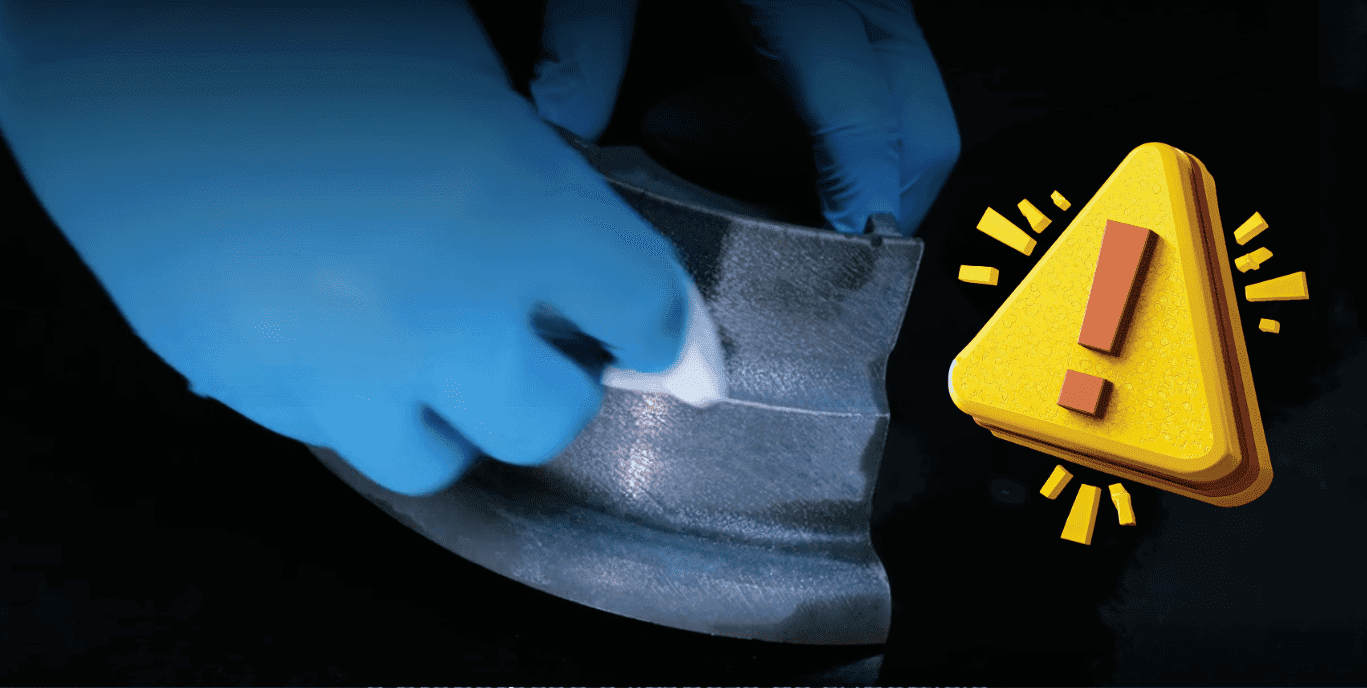
Surface Preparation in Penetrant Testing

In Liquid Penetrant (LP) testing, the reliability of the result does not begin with the application of the penetrant, but rather with the preparation of the surface.

Even when appropriate products are used and all test steps are correctly performed, a poorly prepared surface compromises the sensitivity of the method, hinders the interpretation of the readings, and can lead to unreliable results. For this reason, surface preparation is considered one of the most critical steps in liquid penetrant testing.

This article addresses, in a technical and objective manner, the importance of surface preparation in Liquid Penetrant testing, its direct impacts on inspection, and the necessary precautions to ensure consistent results, always in accordance with the qualified and approved procedure.


The importance of surface preparation in liquid penetrant testing

The Liquid Penetrant test is based on the phenomenon of capillarity, which allows the penetrant to penetrate discontinuities open to the surface.

For this phenomenon to occur efficiently, it is essential that the surface is:
• clean;
• free of contaminants and dirt;
• in a suitable condition to allow direct contact of the penetrant with the discontinuities.

The presence of contaminants or surface residues increases surface tension, interfering with the action of the penetrant.


What characterizes a suitable surface for the test?

In general, the surface should:

• be free of oils, greases, moisture and chemical contaminants;
• not have loose scale, adherent oxidation or residues from previous processes;
• not have coatings or paints;
• not have spatter or welding residue;

These contaminants can prevent the penetrant from working properly and make it difficult to remove excess product.


Surface cleaning and preparation methods

Surface preparation methods must be defined according to the applicable technical procedure and vary depending on the material, the geometry of the part, and the stage of the industrial process.
Among the methods employed, the following stand out:
• solvent cleaning;
• chemical cleaning, applied in specific situations;
• ultrasonic cleaning
; • mechanical cleaning (brushing, sanding, grinding, tumbling);
• degreasing vapor.

The choice of method should consider not only the efficiency of the cleaning, but also the preservation of the surface integrity.


Care related to surface preparation

Even when cleaning is performed properly, surface preparation must consider factors that directly impact the reliability of the Penetrant Testing method.

Among the main precautions are:

• Ensure the surface is completely dry after pre-cleaning;
• Avoid solvent or cleaning product residue;
• Ensure the preparation method does not obstruct, deform the surface, or mask open surface discontinuities;


Metal-Chek solutions for surface preparation in LP

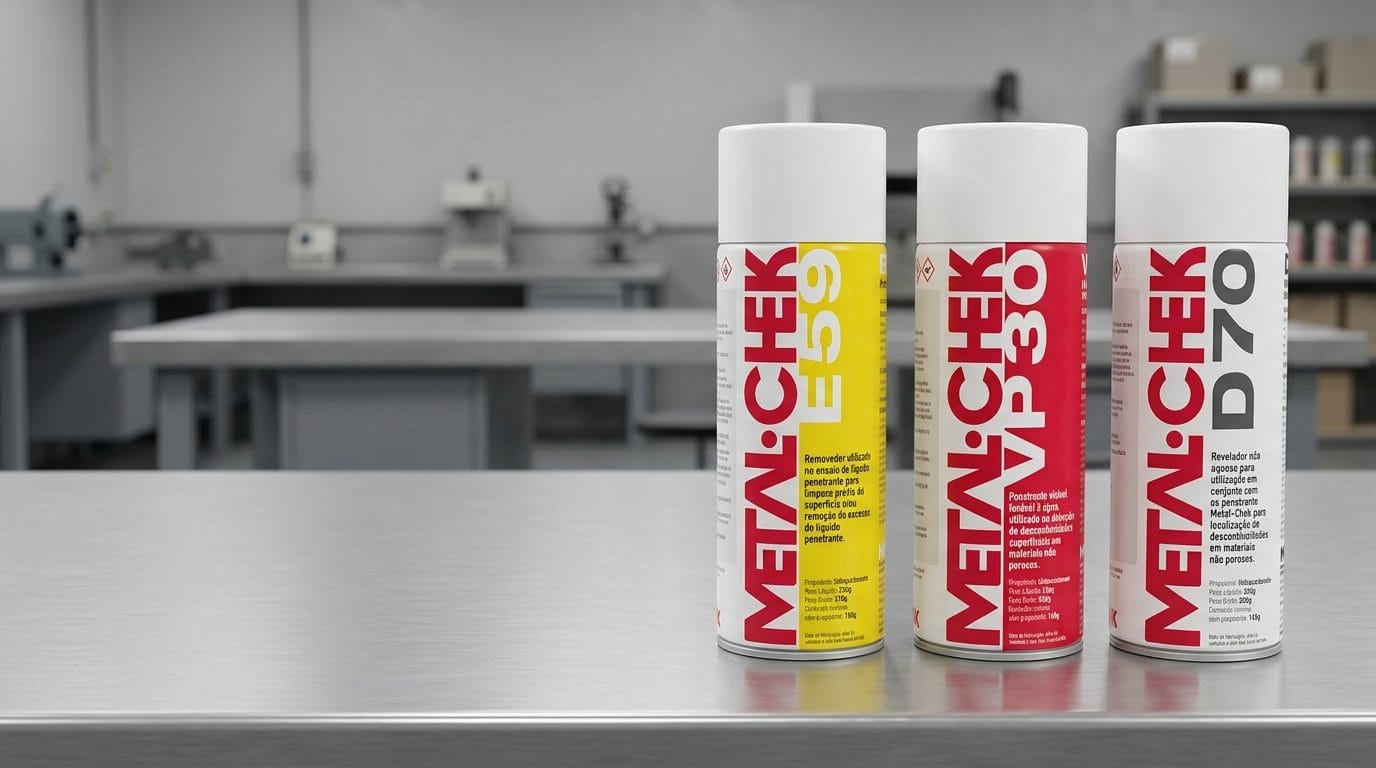
Metal-Chek provides complete solutions for surface cleaning and preparation in Liquid Penetrant Testing, including removers developed specifically for LP applications, compatible with different materials, test conditions and regulatory requirements.

These solutions contribute to:

• Efficient removal of contaminants;
• Compatibility with liquid penetrant testing methods;
• Operational safety;
• Greater reliability in inspection results.


Final considerations

Surface preparation is a determining factor for the success of the Penetrant Testing method. When performed correctly, according to a qualified and approved technical procedure, it ensures greater sensitivity of the method, reliable interpretation of the readings, and reduced rework.
More than a simple step, surface preparation should be treated as a fundamental part of the test, directly contributing to obtaining satisfactory results.


Excellence in products for those seeking reliable results

Metal-Chek provides complete solutions for Non-Destructive Testing: penetrant liquids, removers, developers and accessories, developed according to the main ASTM, ISO, ASME, NM and PETROBRAS standards, guaranteeing quality, safety and technical compliance in every inspection.

Read more technical content on our blog.
Follow Metal-Chek on Instagram: @metalchek.
Contact our technical consultants.

Difference between Visible and Fluorescent Penetrant Testing

In Liquid Penetrant (LP) testing, the choice between visible penetrants (Type II) and fluorescent penetrants (Type I) is a technical decision that directly impacts the sensitivity of the inspection, the way indications are evaluated, and the reliability of the final result.

Although both types of penetrant are based on the same physical principle, their operational characteristics, inspection conditions, and sensitivity levels differ. This article presents an educational and technical approach, clarifying the main differences between visible and fluorescent liquid penetrants, their applications and limitations, always conditioned by the approved technical procedure.


What is liquid penetrant testing?

Liquid penetrant testing is a non-destructive testing method used to detect surface discontinuities open to the surface in metallic and non-metallic materials, provided the material is not porous.

The method is widely used in industrial inspection due to its versatility and ability to reveal fine discontinuities, provided it is performed in accordance with a specific technical procedure.


Common principle for visible and fluorescent penetrants

Both visible and fluorescent penetrants are based on the physical principle of capillarity, which allows the liquid to penetrate discontinuities open to the surface, even when these discontinuities are extremely small.

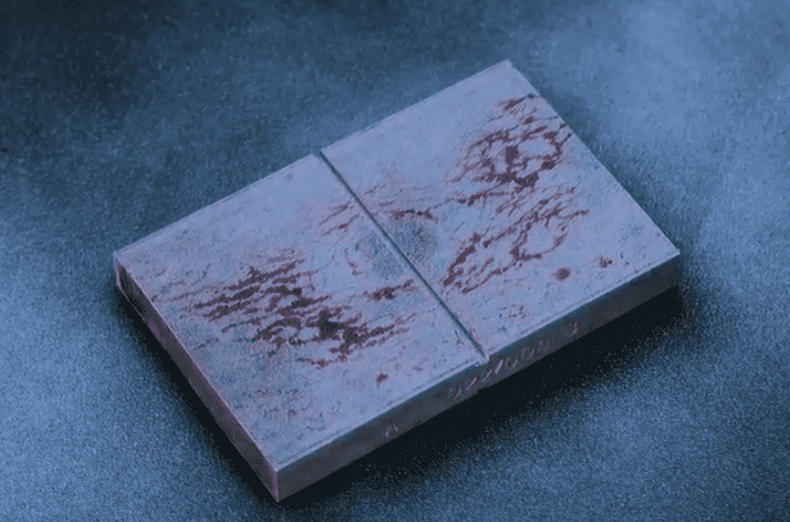
After the penetrant is applied and the excess surface product is removed, the product retained in the discontinuities is brought back to the surface by means of the developer, forming indications that will be evaluated during visual inspection.

The difference between the two types of penetrant testing lies not in the operating principle, but in how the indications are visualized during inspection.


Visible Penetrant Testing (Type II): general characteristics

Visible penetrant liquids utilize color contrast, typically red on a white background, to allow for visualization of the indications under adequate white illumination.

General characteristics:

  • Inspection performed under visible light;
  • indications observed with the naked eye;
  • applicable in different industrial environments;
  • Widely used in manufacturing inspections.

The reliability of the test depends directly on the intensity of the white light, the uniformity of the developer layer, and the correct execution of the test, respecting the procedure.


Fluorescent Penetrant Testing (Type I): general characteristics

Fluorescent penetrating liquids contain pigments that emit visible light when excited by ultraviolet (UV-A) radiation, allowing indications to be visualized in environments with controlled lighting.

General characteristics:

  • Inspection performed under ultraviolet light;
  • Indications observed by fluorescence;
  • greater visual perception capacity in certain applications;
  • Widely used in inspections that require a higher level of sensitivity and reliability.

In this method, the quality of the inspection is directly related to the UV-A lighting conditions, environmental control, and the correct visual adaptation of the inspector and the correct execution of the test, respecting the procedure.


Sensitivity and detection capability

Fluorescent penetrant testing (Type I) is more sensitive than visible penetrant testing (Type II). However, the most sensitive method is not always the most suitable for all applications.

The choice of penetrant type should consider factors such as the type of discontinuity to be detected, the manufacturing process, the surface condition, the industrial segment, the inspection environment, and the requirements established in the approved technical procedure.


Advantages of the Penetrant Testing Method

In general, the Liquid Penetrant test, in both the visible and fluorescent methods, offers the following advantages:

  • a simple and widely used inspection method;
  • relatively low operational cost when compared to other END methods;
  • Ease of application, provided it is performed according to technical procedure;
  • Direct visual interpretation of the instructions;
  • good sensitivity for detecting surface discontinuities open to the surface , including fine and small-aperture discontinuities;
  • Applicable to parts of different sizes and geometries, provided there is access to the surface to be inspected.

Limitations of the Penetrant Testing Method

Despite its advantages, the Liquid Penetrant test has technical limitations that must be considered:

  • It detects exclusively open surface discontinuities and is not applicable to the detection of internal or subsurface faults;
  • It is not recommended for porous materials ;
  • It requires control of environmental conditions during the execution of the test, including temperature , which must be within the range specified in the technical procedure and applicable standards;
  • Inadequate surface or environmental conditions can compromise the reliability of the indications.

Final considerations

The difference between visible and fluorescent penetrants goes beyond the appearance of the indication. It is a technical decision that involves physical principles, required sensitivity, inspection conditions, environment, type of discontinuity, and compliance with the approved technical procedure.

When correctly specified and applied, both methods offer reliable results and contribute to the integrity and safety of the inspected components.


Excellence in products for those seeking reliable results.
Metal-Chek provides complete solutions for Non-Destructive Testing: visible and fluorescent penetrant liquids, developers, removers, and accessories, developed according to the main ASTM, ISO, ASME, NM, and PETROBRAS standards, guaranteeing quality, safety, and technical compliance in every inspection.

Speak with the Metal-Chek team and learn about our solutions for non-destructive testing.

Access other technical articles.

– Follow Metal-Chek on Instagram: @metalchek

Penetrant Testing: Principles, Steps, and Precautions

Liquid Penetrant Testing (LP) is one of the best-known and most widely used methods within Non-Destructive Testing (END) . Simple to perform, yet extremely meticulous in its details, it is fundamental for ensuring quality, safety, and reliability in critical components across various industrial sectors.

Despite its apparent simplicity, inconsistent results are almost always linked to flaws in the preparation, application, or control of test conditions —and not to the method itself. Therefore, understanding its principles is essential for anyone seeking reliable inspections.


What is Penetrant Testing?

The purpose of liquid penetrant testing is to detect discontinuities open to the surface of non-porous solid materials.

Among the most common discontinuities identified by the method are:

  • Cracks
  • Porosities
  • Lack of fusion in welds

One of the great advantages of LP is its versatility. The method can be applied to both magnetic and non-magnetic materials, such as:

  • Carbon steels and austenitic stainless steels
  • Aluminum and magnesium
  • Titanium

Furthermore, LP can also be used, under specific conditions, on ceramics, glass, and some plastics.


Physical Principle of the Liquid Penetration Test: Capillarity

The operation of the liquid penetrant test is based on the physical phenomenon of capillarity.

Capillary action allows a liquid to penetrate open discontinuities on the surface regardless of the orientation of the part, whether vertical, horizontal, or overhead, without depending on the action of gravity.

After applying the penetrant and removing the surface excess, applying the developer promotes the so-called reverse capillary effect, causing the liquid retained in the discontinuities to return to the surface, forming visible or fluorescent indications.


Steps of the Penetrant Testing Process

A reliable LP test follows six fundamental steps:

  1. Surface preparation and cleaning
  2. Penetrant application
  3. Penetration time
  4. Removal of excess penetrant.
  5. Application of the developer
  6. Inspection, recording and final cleaning

Each step must strictly follow the procedure qualified and approved by the Level 3 Inspector, respecting defined standards and parameters.


The Importance of Surface Preparation

The most critical step in liquid penetrant testing is undoubtedly the preparation and cleaning of the surface.

Complete removal of:

  • Grease
  • Oil
  • Carepas
  • Oxidation
  • Paints and coatings

It is essential for the penetrant to act correctly through capillary action. Poorly prepared surfaces directly compromise the sensitivity of the test.


Types of Products Used in Penetrant Testing

The liquid penetrant test depends on the correct combination of three main groups of products:

1. Removers

Used for:

  • Pre-cleaning of the surface
  • Removal of excess penetrant, according to the method applied.

2. Penetrating

Classified according to the type of display:

  • Fluorescent (Type I) – used under UV-A light.
  • Visible (Type II) – observed under white light

And according to the removal method:

  • Method A – water washable
  • Method B – lipophilic post-emulsifiable
  • Method D – hydrophilic post-emulsifiable
  • Method C – solvent removable

3. Developers

Used to improve contrast and highlight indications, available in the following forms:

  • Dry powder (Form a)
  • Aqueous suspension (Form c)
  • Aqueous solution (Form b)
  • Non-aqueous suspension in solvent (Forms d | e)

Choosing the correct combination depends on the technical procedure, the type of material, and the discontinuity to be detected.


Common Questions about Liquid Penetrant Testing (LP)

Penetration Time: How Long to Let the Penetrating Agent Work?

For Metal-Chek products, the general recommendation is a minimum penetration time of 10 minutes.
In some specific applications, 5 minutes may be sufficient, provided that:

The procedure is qualified.

– Approval from Level 3 Inspector is required.


Can Penetrant Liquid Be Used on Stainless Steel?

Yes. The liquid penetrant (LP) test can be applied to austenitic stainless steel, duplex steel, and titanium, provided that the contaminant levels (Cl + F) indicated in the product’s certificate of analysis are observed.


Is Fluorescent Penetrant Always More Sensitive?

Yes. Fluorescent penetrant (Type I) exhibits greater sensitivity compared to visible penetrant (Type II).

However, greater sensitivity does not always mean better application. The choice of penetrant type should consider:

  • Type of discontinuity
  • Manufacturing process
  • Surface condition
  • Industrial segment
  • Applicable procedure

Testing Conditions and Inspector Qualification

The penetrant testing process depends directly on the inspector’s visual ability and the lighting conditions.

Minimum lighting requirements:

  • Visible Penetrant (Type II):
    • Visible light ≥ 1000 lux
  • Fluorescent Penetrant (Type I):
    • UV-A light ≥ 1000 µW/cm²
    • Visible light < 20 lux

It is necessary for the inspector to periodically undergo visual acuity and color differentiation tests, such as:

  • Visual acuity (Jaeger)
  • Color differentiation (Ishihara)

Advantages and Limitations of the LP Test

Advantages:

  • Simple and low-cost method
  • Easy application and interpretation.
  • High sensitivity to surface discontinuities
  • Applicable to parts of any size and geometry.

Limitations:

  • It only detects discontinuities open to the surface.
  • Not applicable to porous materials.
  • It requires strict temperature control.
    • Typical temperature range: 10 °C to 52 °C

Safety and Applicable Standards

The test should be carried out in well-ventilated environments, with the proper use of Personal Protective Equipment (PPE).

In fluorescent testing, the use of protective eyewear against UV-A light is mandatory.

Main standards applicable to liquid penetrant testing:

  • ASME Section V – Article 6
  • ASTM E1417
  • ASTM E165
  • ISO 3452
  • NM 334
  • PETROBRAS N-1596
  • PETROBRAS N-2370

Conclusion

Liquid penetrant testing remains one of the most efficient tools for detecting surface discontinuities, provided it is performed with technical discipline, reliable products, and well-defined procedures.

Excellence in lead generation lies not in shortcuts, but in the rigorous control of each step of the process.


Excellence in products for those seeking reliable results.

Metal-Chek provides complete solutions for Non-Destructive Testing : penetrant liquids, removers and developers, developed according to the main ASTM, ISO, ASME, NM and PETROBRAS standards, guaranteeing quality, safety and technical compliance in every inspection.

Get in touch and follow the profile @metalchek for more technical content about END.

Portability and Efficiency: Advances in UV Lighting

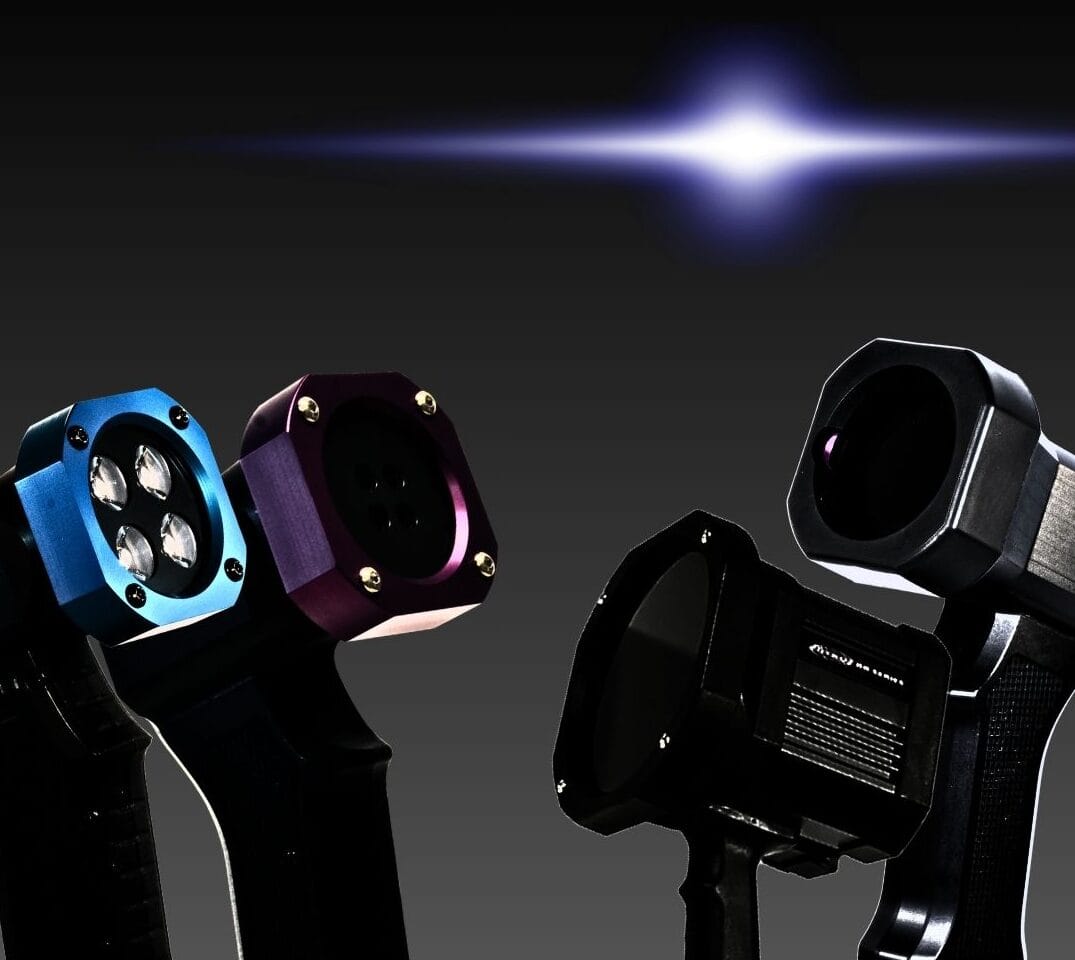
Industrial maintenance is undergoing a silent transformation—and one that is extremely relevant for those working in Non-Destructive Testing (END). UV lamps, essential for Liquid Penetrant (LP) and Magnetic Particle (MP) inspections, have evolved significantly in recent decades, driven mainly by the consolidation of UV LED technology. This change directly impacts the efficiency, quality, and reliability of inspections. More than that, it redefines the role of the inspector, who now has lighter, more durable, and more precise tools to perform critical analyses.


From vapor lamps to UV LEDs: the new era of lighting for END

For many years, mercury vapor-based UV lamps dominated the scene. Although functional, they had clear limitations: intense heating, fragility, high energy consumption, and unstable light.

With the arrival of UV LED lighting, the landscape changed.

Why does UV LED represent a technological leap?

  • Stable and instant lighting , with no warm-up time.
  • Much longer lifespan , reducing replacements and maintenance.
  • Superior energy efficiency , with lower consumption and greater range in battery-powered versions.
  • Increased mechanical strength , reducing field failures.
  • The absence of toxic materials makes the equipment safer and more sustainable.

For those who inspect welds, critical parts, and structural components, this stability and precision are fundamental.


Portability: real productivity for those who work in the field

The inspector rarely works in comfortable spaces. Most inspections take place in hard-to-reach areas, elevated structures, confined spaces, or extensive pipelines.

The advancement of LEDs has allowed UV lamps to become:

  • lighter ,
  • more compact ,
  • more ergonomic ,
  • more resistant ,
  • and with greater operational autonomy .

Direct impacts on the inspector’s routine.

  • Less fatigue during long shifts.
  • Greater agility in accessing critical points.
  • Less reliance on cables or external power sources.
  • Greater precision in illuminating the inspected area.
  • Reliability even in harsh environments.

Portability is no longer a “plus” but a strategic component of operational efficiency.


Durability and energy efficiency: savings that translate into performance

While traditional light bulbs frequently burned out, high-performance LEDs brought consistency and cost reduction.

Main benefits:

  • Less maintenance and less downtime.
  • Extended autonomy with long-lasting batteries.
  • Reduced overall costs thanks to a longer lifespan.
  • Stable UV intensity , ensuring adequate sensitivity in both low-level and mid-life modes.

For ongoing inspections and critical operations, this combination is indispensable.


Regulatory compliance: the importance of ASTM E3022

In END (Non-Destructive Testing), technology alone is not enough: it is necessary to meet the correct standards. ASTM E3022 is the international reference that establishes the minimum requirements for UV LED luminaires used in:

  • Magnetic Particle (MP) Testing
  • Penetrant Testing (PT)

The standard requires rigorous criteria, such as:

  • minimum UV intensity suitable for the method;
  • Uniformity of lighting in the inspection area;
  • Visible radiation control;
  • thermal stability;
  • Mechanical strength suitable for industrial use.

Why is this fundamental?

Because lighting failures mean detection failures.
Without compliance with ASTM E3022, there are real risks:

  • indications that do not appear;
  • Unnecessary rework;
  • inconsistent results;
  • Problems in audits and certifications;
  • security commitments.

The standard ensures that the inspector works with adequate lighting to detect even the most subtle indications.


The practical impact of these advances on the quality of inspections

The evolution of UV LED lighting directly influences:

  • The accuracy of discontinuity detection;
  • the pace at which inspections are carried out;
  • The ergonomics of fieldwork;
  • The safety and traceability of the process;
  • The reliability of the results delivered.

In sectors such as oil and gas, automotive, aerospace, and metalworking, this translates to lower operational risk and greater control over asset integrity.


UV LED lighting as a protagonist in the new era of END

The combination of portability, energy efficiency, durability, and regulatory compliance has transformed UV LED luminaires into essential tools for modern inspections.

Technology not only makes the inspector’s job easier — it raises the quality of the entire industrial maintenance chain.


Stay tuned for updates!

We will soon be presenting important news related to our line of lighting fixtures for END (Non-Destructive Testing).
Follow the blog and our social media to stay updated on the launch.
Technical lighting, precision, and innovation for those who demand reliable results.

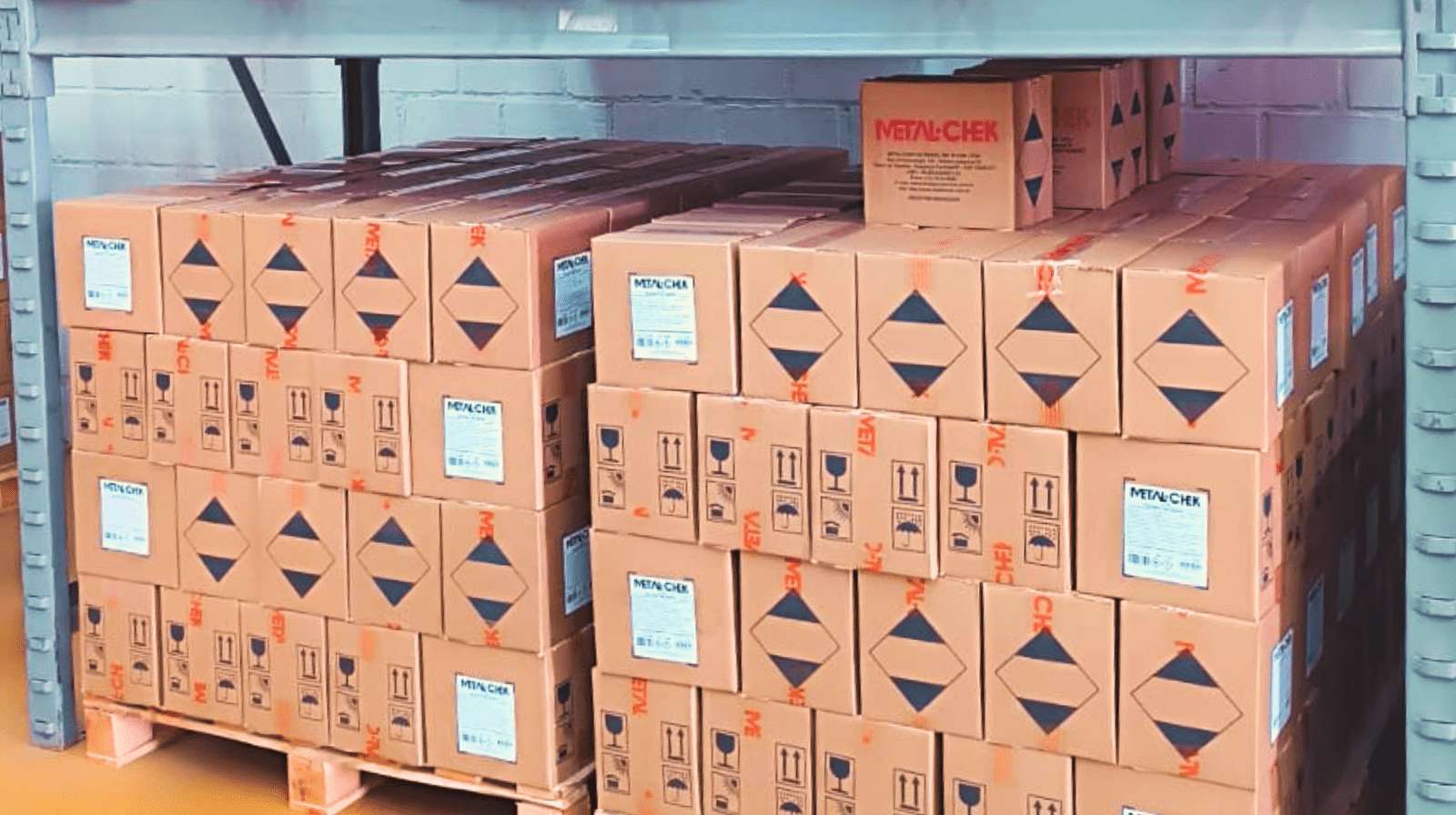
Care and Storage and Expiration Dates of END Consumables

In industrial settings, consumables for Non-Destructive Testing (END) are true allies of reliability. Penetrant liquids, magnetic particles, and developers are formulated to deliver sensitivity , contrast, and stability —three pillars that support the precision of inspections.

One critical point that cannot be overlooked: storage. When done improperly, it accelerates product degradation and directly compromises the test results.

And in industrial inspection, a mistake never comes alone — it translates into rework, costs, and risks.

Therefore, taking care of expiration dates and storage conditions is not just a good practice:  it is fundamental to maintaining the performance and technical compliance required in industrial inspections.

Why proper storage is essential

END consumables undergo rigorous formulations, developed to maintain their properties throughout use. However, factors such as humidity, temperature, and expiration date can compromise them.

  • sensitivity in detecting discontinuities,
  • contrast of the indications,
  • chemical stability
  • Repeatability of results .

When exposed to unsuitable conditions, they may:

  • to crowd together,
  • evaporate,
  • change color, odor or viscosity,
  • lose sensitivity,
  • to generate false indications or mask real flaws.

A degraded product can alter the test results.

Effects of moisture on END consumables

Moisture is one of the main factors that affect the quality of consumables.
When present in excess, it can cause clumping of powdered consumables, changes in product characteristics,  affecting performance and sensitivity.

To avoid these effects, it is important to store the products in dry, well-ventilated places, protected from condensation and sudden temperature changes. In addition, it is recommended to keep the packaging tightly closed, especially in environments with high relative humidity.

Temperature and chemical stability

Temperature has a direct impact on the chemical stability of END consumables. Excessive heat
can alter pigments, cause the evaporation of volatile components, and compromise the performance of penetrants, developers, and magnetic suspensions.
Extreme cold, on the other hand, can cause the crystallization of components , rendering the product unusable.

To ensure optimal stability and sensitivity, it is recommended to store consumables as follows:

  • In cool environments , with controlled temperatures between 5°C and 40°C;
  • Keep away from heat sources, direct sunlight, and open flames;
  • Avoid prolonged exposure to temperature variations.

Validity and usage control

Each consumable has an expiration date defined by the manufacturer, which must be strictly respected.
After this period, there is no guarantee of stability or performance — the product may show changes in color, odor, viscosity, or the formation of residues, indicating degradation of the active components.

In addition to the expiration date, it’s important to check:

  • Storage conditions ;
  • Label integrity and batch identification .

Good practice includes using the FIFO (first in, first out) principle, ensuring that older products are consumed before new ones.

Good storage practices

  1. Store upright to prevent leaks or deformation of the packaging.
  2. Avoid stacking cans or aerosols to prevent pressure damage.
  3. Keep the products sealed until the moment of use.
  4. Do not mix products from different manufacturers — chemical compatibility is not guaranteed.
  5. Visually inspect the product before use: changes in appearance indicate loss of stability.
  6. Use appropriate storage methods , keeping them away from electrical sources and intense heat.

These measures help preserve the original characteristics of END consumables and ensure testing with maximum repeatability and reliability.

Why follow these guidelines?

Following good storage and expiration date control practices reduces costs, avoids rework, and ensures the integrity of inspection results .
Proper preservation of END consumables is an essential part of quality management in industrial inspections , ensuring that each application maintains the expected performance standard from the first to the last use.


Properly storing and controlling END consumables is an investment in reliability, safety, and durability .
By maintaining ideal temperature, humidity, and shelf-life conditions, inspection ensures consistent results that comply with industry technical requirements.

The inspection begins long before the test is performed — it begins in the warehouse.


Metal-Chek provides complete solutions for Non-Destructive Testing: penetrant liquids, magnetic particles, developers and accessories, developed with cutting-edge technology to offer safety, precision and reliable results in every inspection.

○ Need technical support? Our Metal-Chek consultants are ready to help.

○ Keep learning: explore more technical articles about END on our blog .

○ Join the community of END inspectors and professionals — follow @metalchek .

Chemical Compatibility in Non-Destructive Testing (END)

The reliability of results in Non-Destructive Testing (END) depends directly on the chemical compatibility between the products used. Mixing penetrant liquids, removers, and developers from different manufacturers can compromise sensitivity, generate reading errors, and even invalidate the test.

To ensure consistent performance, traceability, and chemical stability at all stages, it is essential to use complete systems from a single manufacturer—such as the Metal-Chek line—always strictly following the manufacturer’s technical guidelines and applicable procedures.

The Importance of Chemical Compatibility in Non-Destructive Testing

In Non-Destructive Testing (END) , product compatibility is one of the most critical factors in ensuring accurate results.
In methods such as Liquid Penetrant Testing (LP) , each step— pre-cleaning, penetration, removal, and development —depends on a specific and controlled chemical formulation.

Mixing products from different manufacturers, even within the same category, can directly impact the sensitivity of the assay.

All materials used in an assay must be chemically compatible and, preferably, from the same manufacturer.
This standardization ensures the traceabilityrepeatability, and reliability of the results, as well as guaranteeing that the assembly was developed and tested to operate in chemical equilibrium under controlled conditions.

Risks of Mixing Different Products in Non-Destructive Testing

The use of penetrating fluids, removers, and developers of different brands or chemical compositions compromises the integrity of the process.
Among the main risks are:

  • Loss of contrast between the background and the indications;
  • Improper removal of the penetrant during cleaning;
  • Unexpected chemical reactions between solvents, pigments, and additives;
  • Forming false indications in reading;

These factors can lead to false results, rework, and delays, as well as jeopardize the reliability of the inspection and operational safety.

Metal-Chek Line for Liquid Penetrant Testing (LP)

The Metal-Chek line was developed to ensure complete chemical compatibility between all stages of the assay — pre-cleaning, penetration, removal, and development — guaranteeing stable performance, adequate sensitivity, and reproducible results in any industrial application.

Technical Compliance

Metal-Chek products are developed in accordance with applicable national and international standards and must be used in a compatible system by properly trained and qualified personnel.
The combined use of Metal-Chek products ensures uniformity of performance, traceability, and technical compliance, eliminating the risk of incompatibility between stages and guaranteeing accurate and reliable results.


Chemical compatibility is the key factor in ensuring the reliability of liquid penetrant testing.

Mixing products from different manufacturers compromises the chemical balance of the process and can lead to incorrect results, rework, and even inspection failures.

To ensure sensitivity, traceability, and performance in accordance with international standards, it is essential to use all products from the same system and manufacturerstrictly following the manufacturer’s guidelines and applicable procedures.

Compatibility equals reliability — use the complete Metal-Chek system and ensure accurate results.


Continue Learning with Metal-Chek

Explore other technical articles on our blog .Discover our complete line of LP and PM products, developed according to ASTM, ISO, ASME, NM and PETROBRAS standards.Talk to our technical consultants and find the ideal solution for your inspection process.Follow our Instagram page: @metalchek

Fluorescence in Non-Destructive Testing: Technology that Amplifies Results

In industrial inspection, fluorescence in non-destructive testing (END) is a technology that significantly enhances sensitivity and visual accuracy.

Applied in methods such as Liquid Penetrant (LP)Magnetic Particle (MP), and Leak Detection (DV), this technique allows for the identification of minute discontinuities and micro-leaks invisible to the naked eye. The result is greater safety, reliability, and operational performance.


What is fluorescence?

Fluorescence is an optical phenomenon in which certain substances absorb energy from ultraviolet (UV-A) light and re-emit it in the form of visible light .
In non-destructive testing (END), this physical principle is used to enhance the contrast of indications on metallic and non-metallic parts, facilitating the identification of surface or subsurface defects .

When UV-A light (365 nm) strikes the inspected material, the fluorescent particles or dyes react by emitting intense light—typically in shades of green, yellow, or orange. This makes discontinuities clearly visible, even in hard-to-reach areas.
The result is a highly sensitiveprecise, and visually clear test that allows for quick and reliable decisions.


Applications of fluorescence in END methods

1. Liquid Penetrant Testing (LP)

The LP fluorescent (Type I) method is indicated for detecting surface-open discontinuities, such as cracks, pores, lack of fusion, and other defects that may compromise the integrity of a component.

After cleaning and applying the penetrant, the excess is removed and the developer is applied. Under UV-A light, the remaining liquid in the discontinuities emits intense fluorescence, clearly revealing the indications.

Among the main advantages is its versatility of application.
The method can be used on metallic and non-metallic materials, whether magnetic or non-magnetic, such as aluminum, magnesium, austenitic stainless steels, and titanium.
It can also be applied to ceramics, glass, and some types of plastics, provided they are non-porous materials.

Metal-Chek Products:

  • FP-91 and FP-91 HI – Water-washable penetrants, Type I – Method A, Level 2, ideal for inspections requiring greater sensitivity.

Compatible with D70, D72 and D702 developers.


2. Magnetic Particle Testing (MPT)

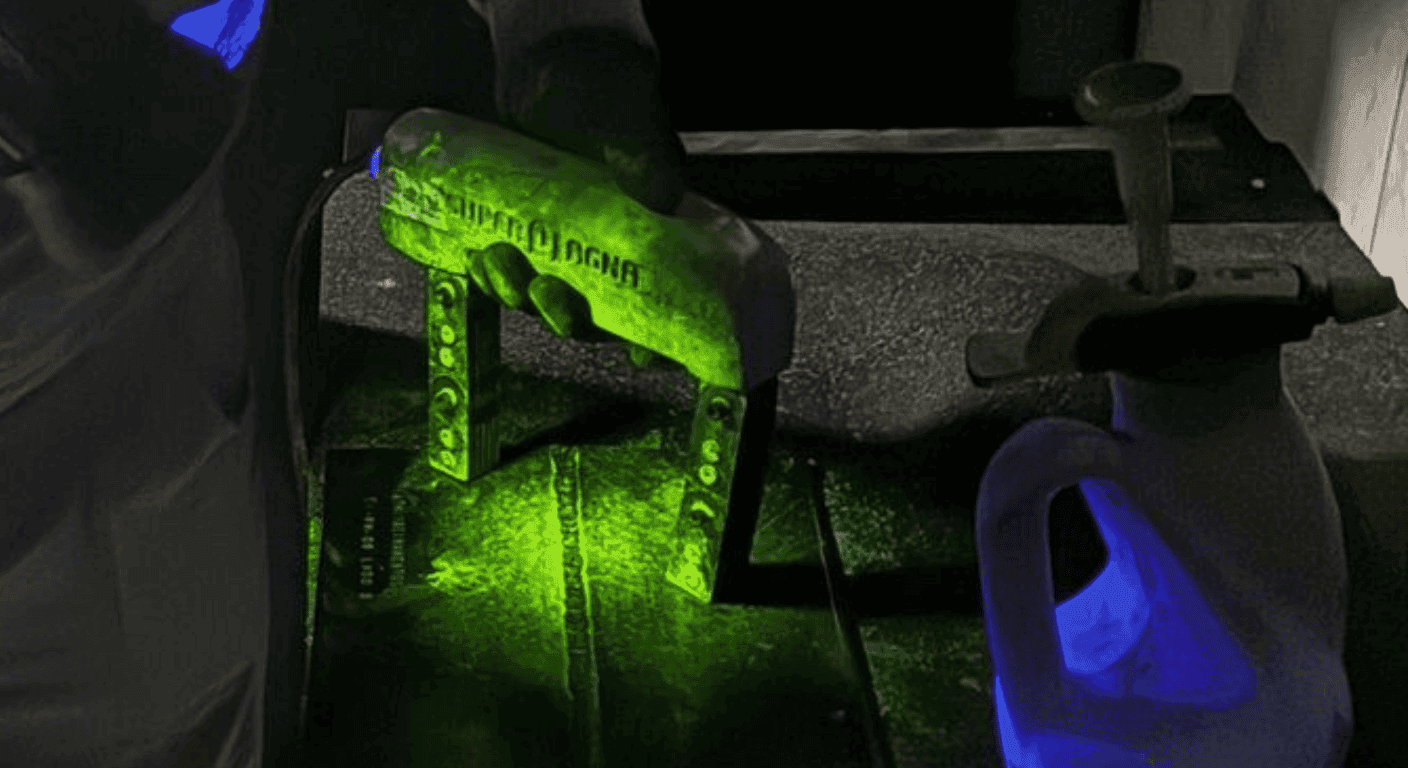
In ferromagnetic materials, fluorescence enhances the detection of surface and subsurface discontinuitiesFluorescent magnetic particles
accumulate in regions where the magnetic field escapes, forming visible indications under UV-A light. For magnetic particle testing to be effective, it is essential that the part be magnetized. The application of a magnetic field —circular, longitudinal, or combined—creates magnetic flux lines in the material.

Metal-Chek offers the Supermagna Yoke HMM6, an alternating current (AC) electromagnetic yoke developed for visible and fluorescent testing. The equipment provides a stable magnetic field and high mobility, making it widely used in industrial, petrochemical, and predictive maintenance inspections.

Metal-Chek Products:

  • Supermagna LY 800 – High-sensitivity fluorescent dry-process magnetic particle.
  • Supermagna LY 2000, LY 2000 V, LY 3000 and LY 3000 V – Wet-applied fluorescent magnetic powder particles, applicable with OMC 10 MMS (oil) or BC 502 SN + water vehicles.
  • Supermagna CLY 2000 VO MMS BP / CLY 3000 O MMS BP / VO MMS BP – Ready-to-use wet (oil) baths with high mobility and contrast.
  • Supermagna DLY 2000 – Water-dispersible wet magnetic particle.
  • Supermagna CRL 265 AG/SN – Dual concentrate (fluorescent/visible), applicable under visible (white) or UV-A light in environments up to 1000 lx.

3. Leak Detection (Leak Testing)

In leak tests, fluorescent additives allow visualization of micro-leaks in hydraulic, pneumatic, and lubrication systems.
Under UV-A light, even the smallest leaks become visible, enabling immediate repairs and preventing critical failures.

Metal-Chek Products:

  • Oil-Glo Ultra SPI Series
    • SPI-OGG (Green) , SPI-OGB (Blue) and SPI-OGW (White) — Fluorescent detectors for oily fluids.
    • Non-flammable, they do not alter the properties of fluids and are NSF certified .
  • Water-Glo Ultra SPI Series – Green (WGG) and blue (WGB) fluorescent dyes for aqueous systems.

UV-A Lighting Equipment

For fluorescent testing, it is essential to use UV-A (365 nm) light sources with a minimum intensity of 1000 µW/cm² on the surface being examined, in accordance with END technical standards.
This intensity ensures adequate contrast and accurate reading of the indications.


Benefits of fluorescence in END

The correct application of fluorescence brings significant technical advantages:

  • High visual sensitivity , revealing minute discontinuities.
  • Greater contrast and clarity of the indications.
  • Safe and versatile application in different methods and materials.
  • Technical compliance with national and international standards.
  • Reduction of rework and operational errors.

Furthermore, fluorescence improves the reliability of results and strengthens quality control in critical inspections.


Fluorescence in non-destructive testing is an essential technology that raises the standard of precision, safety, and reliability in industrial inspections.
By applying this technique in liquid penetrant testing (LP), mechanical testing (PM), and visual diffusion (DV), enhanced visualization, high sensitivity, and immediate results are obtained, reducing failures and ensuring operational reliability.

With the complete Metal-Chek product line — which includes penetrants and fluorescent particles, leak detection additives, magnetization equipment, and UV-A illumination — your industrial inspection reaches new levels of quality and technical compliance.


See beyond the visible — Metal-Chek fluorescent technology.
Solutions for Non-Destructive Testing.

Talk to our experts
and follow us on @metalchek

Supermagnetic Contrast 104 in Magnetic Particle Testing

In Magnetic Particle (MP) testing, the correct contrast between the surface and the magnetic particles is what guarantees the visibility of the indications and the accuracy of the results.
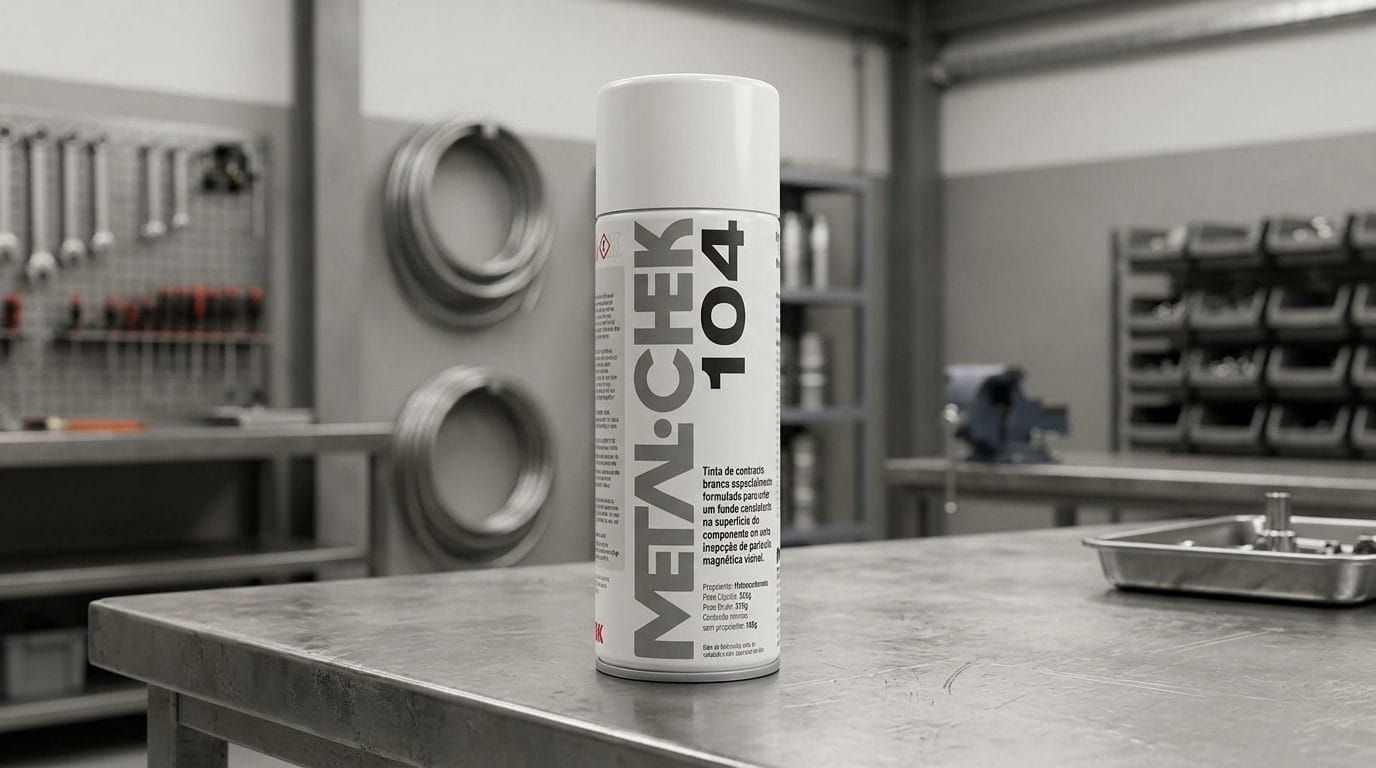
More than just a product, the Supermagna Contrast 104 Metal-Chek in Magnetic Particle Testing represents the practical application of the contrast concept in visible inspections, meeting the requirements of ASTM E709NM 342 and PETROBRAS N-1598 standards.


Function of Supermagna Contrast 104 in Magnetic Particle Testing

The Supermagna Contrast 104 in Magnetic Particle Testing functions to create a uniform white background on the surface of the part or inspection area, upon which colored magnetic particles (visible method, usually black or red) accumulate, making indications of discontinuities more visible under ambient light. The uniform white background increases the visual difference between the part and the particles accumulated over possible surface discontinuities.

Without adequate contrast, subtle indications may go unnoticed, reducing the sensitivity of the assay and compromising the reliability of the results.

In summary, the Supermagna Contrast 104:

  • It forms a highly reflective white background , ideal for visible testing;
  • It increases the optical contrast between the surface and magnetic particles;
  • It facilitates the visual interpretation of the instructions by the inspector;
  • It directly contributes to the reproducibility and standardization of PM tests.

When to use Supermagna Contrast 104

Supermagna Contrast 104 is indicated for colored magnetic particle testing (visible method), conducted under visible illumination with a minimum intensity of 1076 lux, as established by ASTM E709NM 342 and PETROBRAS N-1598 standards.

Precautions when applying and removing

In order to guarantee optimal performance and avoid interference with the result, it is recommended:

1. Surface preparation

The area to be inspected must be dry, clean, and free of oil, grease, paint, or mill scale. Prior cleaning with E59 Metal-Chek
is recommended, ensuring a perfectly prepared surface to receive Supermagna Contrast 104.

2. Uniform application

Supermagna Contrast 104 should be applied in a thin, even layer, avoiding excess.
Very thick layers compromise the sensitivity of the assay.

3. Drying

Allow to dry completely before applying the magnetic particles.
The surface should have a uniform, matte, and non-reflective appearance.

4. Removal

After testing, Supermagna Contrast 104 can be removed with a remover such as E59 or TMC 10 Metal-Chek, ensuring thorough cleaning without damaging the surface.


Why choose the Supermagna Contrast 104 Metal-Chek?

The Supermagna Contrast 104 Metal-Chek was developed for professionals seeking precision and performance in magnetic particle testing.

Main benefits:

  • High coverage and quick drying , optimizing inspection time;
  • An adherent and uniform layer , respecting the thickness limits;
  • Intense optical contrast that highlights even the smallest details;
  • Compatible with Supermagna BW 333, RW 222, SBW 333/O, SRW 222/O and YD 404 colored magnetic particles.

Technical notice

This content is for educational purposes only. The application of the test methods and parameters must follow a qualified procedure approved by a Level 3 Inspector.


Metal-Chek Excellence

The Supermagna Contrast 104 is more than just a support product:
it is an essential technical element to guarantee quality, sensitivity, and safety in visible magnetic particle testing.

Using the Supermagna Contrast 104 Metal-Chek means investing in standard, precision and reliability, fundamental pillars for those seeking excellence in Non-Destructive Testing.

“Precision is visibility — ensure reliable results with the Supermagna Contrast 104 Metal-Chek.”

Talk to our experts
and follow us on  @metalchek

Magnetic Particles: Difference between dry and wet methods

Discover the differences between the dry and wet methods of magnetic particle testing, their practical applications, and how to ensure reliable results according to technical standards.

The importance of the correct method in Non-Destructive Testing

Magnetic particle testing (MPT) is widely used in industry to detect surface and subsurface discontinuities in ferromagnetic materials.
The method is valued for its sensitivity, speed, and low operating cost, and is applied in sectors such as oil and gas, automotive, metallurgical, and aeronautical.

However, to ensure accurate results, it is essential to understand the differences between dry and wet methods, as each has specific characteristics and applications.


Principle of the test

The magnetic particle method is based on the magnetization of a ferromagnetic material. When the magnetic field encounters a discontinuity, a leakage field
is formed, attracting the magnetic particles and creating an indication  on the surface.

These particles can be colored (visible under white light) or fluorescent (visible under UV-A light), according to ASTM E709 – Standard Guide for Magnetic Particle Testing and NM 342 – Non-destructive testing — Magnetic particles — Discontinuity detection.


Magnetic particle testing – dry method: practicality and speed in the field

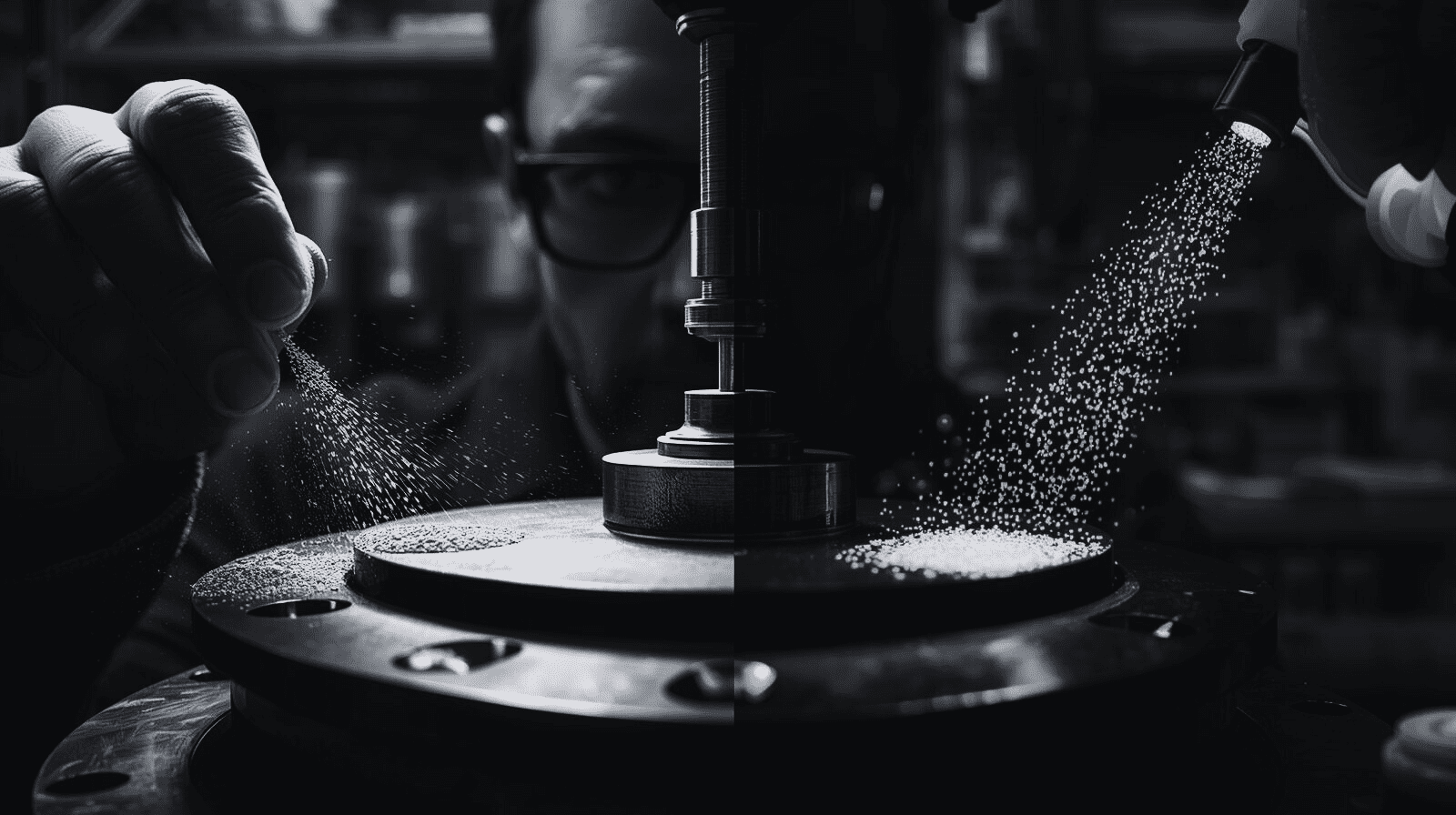
The dry method uses magnetic powder particles applied directly to the part during magnetization.
These particles adhere to the leakage field areas, forming indications visible to the inspector.

Main characteristics of the dry method

  • Ideal for field testing or inspections of large structures;
  • It eliminates the need for liquid vehicles, making the process portable and fast ;
  • Suitable for rough, uneven or complex geometric surfaces ;
  • It can be applied to parts at high temperatures (up to 180 °C).

Did you know?

Limitations of the dry method

  • Lower sensitivity than the wet method, especially in small discontinuities;
  • It can lead to uneven particle buildup if not applied properly;
  • The inspector needs experience to interpret the instructions.

Magnetic particle testing – wet method: precision and sensitivity

In wet spectroscopy, magnetic particles are suspended in water or oil, forming a homogeneous suspension applied to the surface during magnetization.
This technique offers greater particle mobility, resulting in improved sensitivity in detecting discontinuities.

Main characteristics of the wet method

  • Suitable for high-precision testing ;
  • It allows the use of fluorescent particles , inspected under UV-A light ;
  • It requires strict control of the suspension regarding concentration and contamination;
  • The measurements are verified using a pear-shaped decanter tube (ASTM E709).

For fluorescent particles, the ideal concentration is between 0.1 and 0.4 mL ; for colored
particles, between 1.2 and 2.4 mL, according to ASTM E709 and NM 342.

Limitations of the wet method

  • Requires additional equipment (UV flashlight) for the fluorescent technique;
  • A darkened environment is required for fluorescent techniques;
  • Greater process control is needed (concentration and contamination).

Important notice:This article is for educational purposes only. The definition of the test method, technique, and parameters must be carried out by a Level 3 Inspector in a qualified and approved procedure.


Metal-Chek products in compliance with regulations

Metal-Chek offers complete solutions for magnetic particle testing, developed in accordance with the main international standards:

  • Colored and fluorescent magnetic particles (dry and wet methods);
  • Water-based suspension conditioners ;
  • High-opacity contrast inks for inspections under white light;
  • Supermagna HMM6 electromagnetic yokes , robust, portable and standard compliant.

All products are formulated to meet regulatory requirements, ensuring compliance, sensitivity, and repeatability of results.


When to apply each magnetic particle testing method

The dry and wet methods of magnetic particle testing are distinct, and their application should be based on the test conditions and procedural requirements.

Regardless of the method, using reliable products with proven quality is essential to ensure consistent and reproducible results — and that’s where Metal-Chek stands out.


Excellence in products for those seeking reliable results.

Metal-Chek provides complete END solutions: magnetic particles, contrast inks, conditioners, and electromagnetic yokes, developed according to the main ASTM, ASME, NM, and PETROBRAS standards, guaranteeing safety, precision, and technical compliance in every inspection.

Discover the complete Metal-Chek product line.

Contact  our team .

Follow @metalchek

Technical Standards Governing Penetrant and Magnetic Particle Testing

The importance of technical standards in Non-Destructive Testing

Non-destructive testing (END) is essential to ensure the integrity of equipment and components used in various industrial sectors.
Among the most widely used methods are liquid penetrant testing (LP) and magnetic particle testing (PM).

Both allow the identification of discontinuities that could compromise the safety and performance of metal structures, welds, shafts, or castings, etc.

To ensure the quality and standardization of results, there is a set of national and international technical standards that establish criteria for execution, materials, and test conditions.

Next, see what these rules are and what each one determines in summary.


ASTM E1417 – Standard Practice for Liquid Penetrant Testing

It is the main international standard for the Penetrant Testing method.
It defines the essential parameters for the safe and accurate execution of the test, including:

  • Classification of penetrants (fluorescent and colored);
  • removal methods (water washable, post-emulsifiable, solvent removable);
  • lighting and sensitivity requirements;
  • stages of the process, such as cleaning, penetration, and development.
  • process controls.

ISO 3452 – Non-Destructive Testing – Penetrant Testing

The ISO 3452 series establishes international standards for materials and equipment.
Among its main topics are:

  • Part 1: General principles;
  • Part 2: Penetrant material requirements;
  • Part 3: Reference blocks;
  • Part 4: Equipment;
  • Part 5: Requirements for liquid penetrant testing at temperatures above 50 °C.

NM 334 – Non-destructive testing — Penetrant testing — Discontinuity detection

Mercosur standard that defines the main requirements for LP inspections in the national context, including:

  • technical terminology and symbology;
  • test stages (pre-cleaning, application, penetration, removal, development and evaluation);
  • minimum lighting levels;

ASTM E165 – Standard Practice for Liquid Penetrant Testing for General Industr y

Standard that defines the general procedures and criteria for liquid penetrant testing (LP) in industrial applications.
Establishes requirements for:

  • Classification of penetrants (fluorescent or colored);
  • removal methods (water, solvent or post-emulsifiable);
  • Control of lighting, temperature, and penetration time;
  • Sensitivity testing and product quality control.

PETROBRAS N-1596

Define:

  • test parameters and minimum/maximum process times;
  • procedural requirements;
  • lighting conditions;
  • Product classification and traceability;
  • Requirements for staff execution and qualification.

PETROBRAS N-2370

Provides:

  • General guidelines for safety, documentation, and traceability;
  • Penetrant testing.

ASME V – Art. 6

An integral part of the ASME Boiler and Pressure Vessel Code (BPVC), it defines the requirements for penetrant testing applied to boilers, pressure vessels, and pressurized equipment.
It contains:

  • Specifications for materials and equipment;
  • sensitivity check of the test system;
  • process control and inspection intervals;
  • Acceptance according to manufacturing codes.

ASTM E709 – Standard Guide for Magnetic Particle Testing

The principal international standard governing magnetic particle testing.
It establishes best practices and application guidelines for:

  • Magnetization techniques (yoke, electrodes, coil, center conductor and direct contact);
  • use of colored and fluorescent particles;
  • Electrical current control and field direction;
  • Verification of particle concentration and illumination (visible and UV).

ASTM E3024 – Standard Practice for Magnetic Particle Testing for General Industry

It complements ASTM E709 and provides specific instructions for inspections in general industry.


NM 342 – Non-destructive testing — Magnetic particles — Discontinuity detection

It establishes technical parameters for conducting the test in accordance with international standards:

  • Dry and wet application;
  • characteristics of magnetic particles and liquid vehicles;
  • Recommended concentration ranges for wet application (0.1 to 0.4 mL for fluorescent and 1.2 to 2.4 mL for colored);
  • Light intensity control for visible and UV-A light.

ASTM E1444 – Standard Practice for Liquid Penetrant Testing for Aerospace

Specifically for the aeronautical and aerospace sector, it defines detailed practices for magnetic particle (PM) testing.
It establishes:

  • requirements for magnetic materials and vehicles;
  • concentration limits and bath control;
  • UV-A and white light checks;
  • Strict calibration and acceptance criteria.

PETROBRAS N-1598

It defines the criteria for performing the PM method on ferromagnetic materials.
It covers:

  • magnetization techniques;
  • UV lighting requirements and field strength;
  • calibration procedures.

ASME V – Art. 7

Part of the ASME Boiler and Pressure Vessel Code, it defines the requirements for magnetic particle testing of pressurized equipment and welded components.
It covers:

  • Types of electric current and magnetization techniques;
  • magnetic field intensity control;
  • detection methods;
  • Acceptance and qualification criteria for the testing system.

ISO 9934 – Non-Destructive Testing – Magnetic Particle Testing

The ISO 9934 series establishes international standards for materials and equipment.
Among its main topics are:

  • Part 1: General principles;
  • Part 2: Detection method;
  • Part 3: Equipment;

Importance of technical standards for the reliability of END (Non-Destructive Testing).

The standards governing liquid penetrant and magnetic particle methods are the technical basis that ensures reliability and regulation  of Non-Destructive Testing.
They guide everything from product development to practical application in the industrial environment, ensuring quality, safety, and standardization in every inspection.

Knowing these standards is essential for anyone working in quality control, maintenance, and inspection — whether in heavy industry, petrochemicals, aeronautics, or metallurgy.


Important notice:

This content is for educational purposes only. The application of the test methods and parameters must follow a qualified procedure approved by a Level 3 Inspector .


Solution in Non-Destructive Testing

Metal-Chek provides complete END solutions: penetrant liquids , magnetic particles , yoke and accessories , developed according to the main ASTM, ISO , ASME, NM, PETROBRAS standards, guaranteeing quality, safety and technical compliance in every inspection.

Discover the complete Metal-Chek product line.

Contact our team.

Follow @metalchek

Translate