Archives February 2025

High-Quality Industrial Inspections Begin with a Clean Surface

Learn about the risks of contaminating waste and how to dispose of it effectively.

Have you ever stopped to think about the risks that contaminating residues can cause during an industrial inspection? It’s not just a matter of aesthetics or cleanliness: these contaminants can completely compromise the inspection results, affecting the safety and quality of the final product.

The problem of contaminating waste.

Residues such as oils, greases, paint, or even dust may seem harmless at first glance, but in the context of an inspection, they are invisible enemies. Imagine you are conducting a penetrant test, one of the most reliable methods for identifying cracks and flaws in materials. Now, imagine that a layer of oil or grease on the surface prevents the penetrant from doing its job correctly. The result? A false negative – that is, a flaw that could have been detected but was ignored because of the dirt.

Experts in the field agree: cleanliness is key to successful inspection. According to ASTM E-1417 , one of the most important standards for penetrant testing, any contaminant on the surface can alter test results, compromising the accuracy of the assessment. And this is not something that can be risked, especially in sectors such as aeronautics, petrochemicals, and automotive, where failures can have disastrous consequences.

How does the Metal-Chek R 501 solve this problem?

This is where Metal-Chek R 501 comes in, a high-performance halogenated remover developed to tackle the toughest contaminants. It’s the secret of many professionals when it comes to ensuring effective cleaning before inspection. Its chlorinated solvent-based formula is designed not only to remove oils, greases, and scale, but also to leave no residue after evaporation – essential for test accuracy.

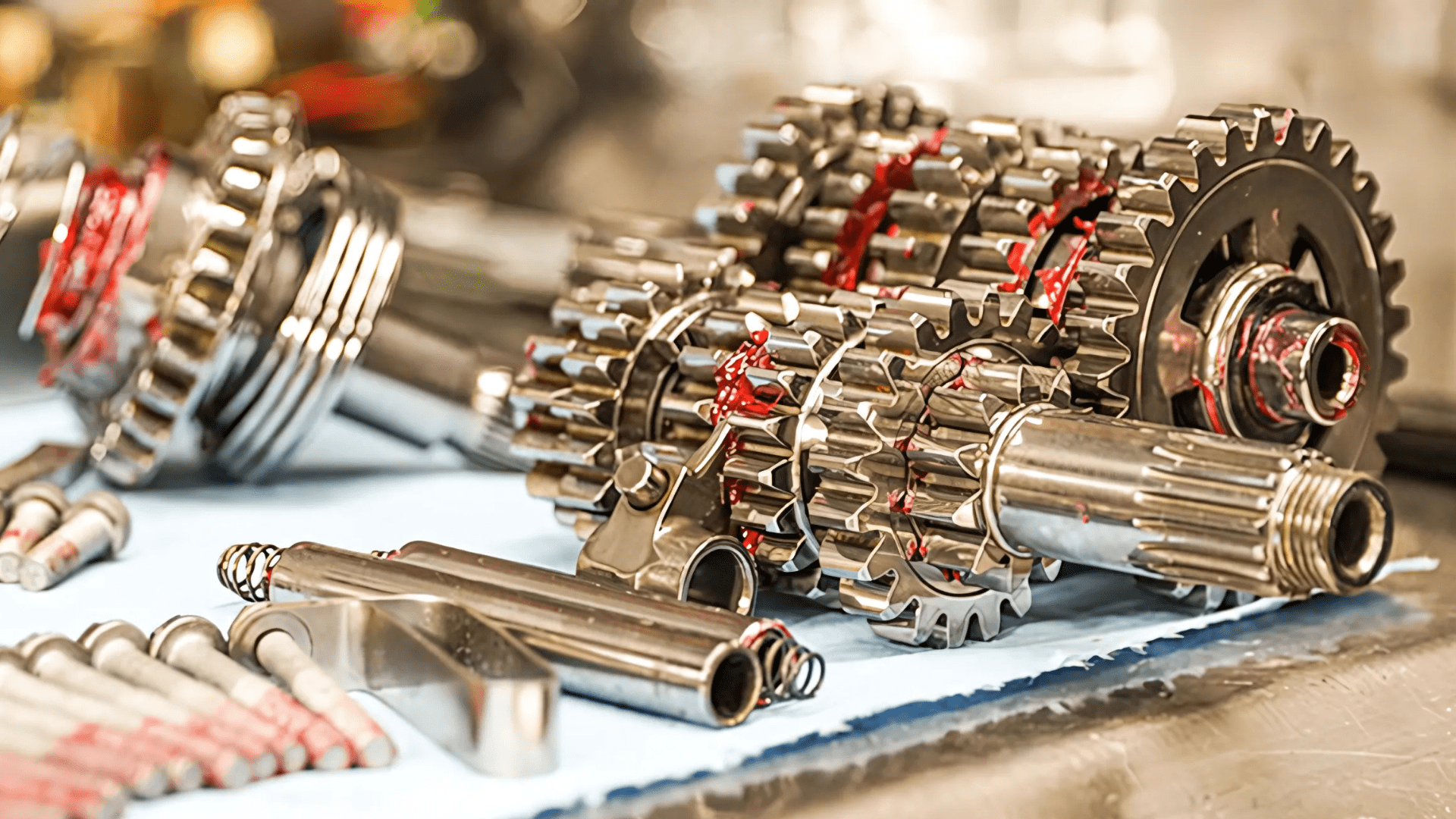
Article content

Its effectiveness is based on:

  • Rapid evaporation without residue: Due to its high volatility, the product evaporates quickly, leaving no residue on the surface. This is crucial, as any residue can interfere with the behavior of penetrant liquids, impairing the accuracy of the analysis.
  • Safe and controlled formula: Experts in non-destructive testing know that inadequate cleaning can introduce new risks. Metal-Chek R 501 was formulated to ensure that the product removes only contaminants, without adding uncontrolled contaminants. This ensures that the test is performed cleanly, efficiently and safely.
  • Versatile use : It can be used on ferrous and non-ferrous metals, ceramics, plastics, and even glass. In other words, regardless of the type of material you are inspecting, it has the ability to perform the necessary cleaning to ensure accurate results.
  • Experts confirm: A study conducted by ISO 3452-2, which defines standards for penetrant testing, made it clear that prior cleaning is one of the most critical factors in ensuring the reliability of the results. Removing contaminants is not just a technical step, but a matter of safety.

How do I use Metal-Chek R 501 to ensure effective cleaning?

The process is simple, but extremely important for the success of the inspection:

  • Initial cleaning: Apply Metal-Chek R 501 to a clean cloth or rag and wipe the inspection surface. This removes contaminants such as oils and greases that could interfere with the penetrant.
  • Removing excess penetrant: After applying the penetrant liquids, use Metal-Chek R 501 to remove the excess, preventing the product from interfering with the test. Remember: less is more when it comes to penetrant!
  • Quick drying: The product evaporates naturally in 5 to 10 minutes, but this can be accelerated using an oven. This ensures the surface is ready for testing efficiently.

The impact of a well-done inspection.

Proper cleaning is not just a matter of completing a step in the process – it’s key to ensuring that the test is accurate and safe. And, as experts in non-destructive testing show, a poorly executed inspection can lead to undetected flaws, compromising the safety and quality of the final product.

Therefore, products like Metal-Chek R 501 are essential. They not only facilitate the inspection process, but also ensure that the procedure is carried out efficiently and without risk of contamination, guaranteeing the accuracy of the results.

Removing impurities is not just a recommendation: it’s a requirement to guarantee the integrity and accuracy of industrial tests. And Metal-Chek R 501 stands out as an indispensable tool in this process, ensuring clean, contaminant-free surfaces ready for inspection. After all, in a world where every detail counts, we can’t afford to neglect cleanliness.
Hidden flaws can lead to rework and losses: Discover how the Metal-Chek VP-30 optimizes inspection processes

What happens when flaws go unnoticed?

Have you ever stopped to think about the impact of an undetected product flaw? From production delays to financial losses, when a defect goes unnoticed, the consequences can be serious. Rework, risk of accidents, and even the loss of a contract are just some of the challenges that can arise.

Therefore, it is crucial that the inspection process be as precise and efficient as possible. And that’s where Metal-Chek VP-30 Visible Penetrant Testing comes in – an innovative solution to ensure that these hidden flaws are detected quickly and accurately.

The Metal-Chek VP-30 is a water-washable visible penetrant used to detect surface discontinuities in non-porous materials. It’s perfect for a variety of applications, such as inspections of forged, rolled, cast, welded, and even assembled components. Oh, and it doesn’t discriminate between ferrous or non-ferrous metals, ceramics, glass, or plastics – it actually works with all of them!

In short: it’s an efficient and easy-to-use crack detector that guarantees visible, fast, and accurate results.

Why is the Metal-Chek VP-30 so reliable?

The key advantage of the Metal-Chek VP-30 is the combination of several features that make it the best when it comes to flaw detection using the liquid penetrant testing method :

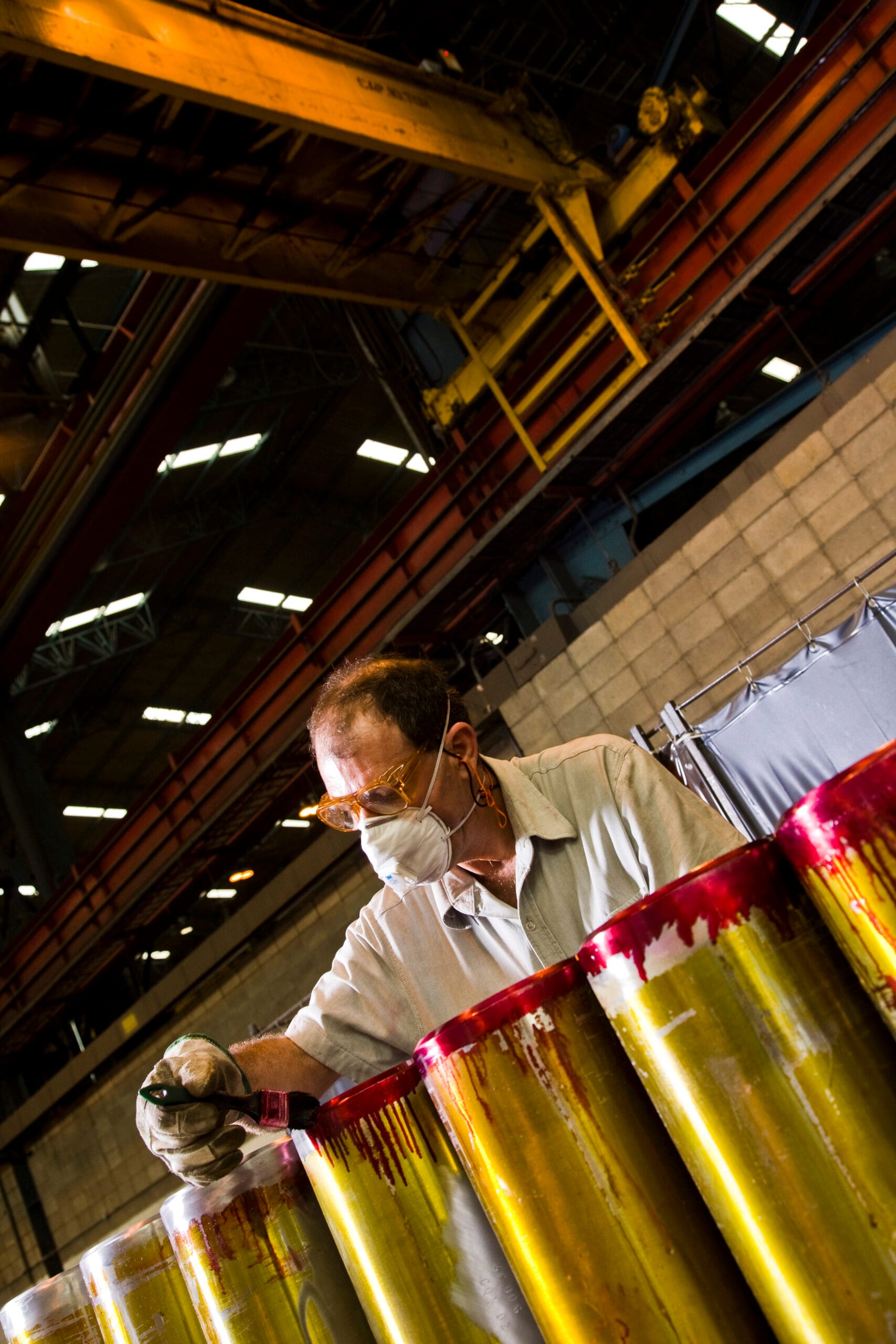
  • Visibility of defects : The intense red coloration facilitates the visualization of discontinuities, making the defects much clearer.
  • Durability of indications : The product provides long-lasting indications, meaning you can rely on visibility of faults for longer, reducing the risk of errors.
  • Easy removal : It is washable with water, meaning cleaning is quick and uncomplicated. This is crucial to avoid compromising the inspection process.

Furthermore, the Metal-Chek VP-30 operates in a wide temperature range (10 to 52°C), providing greater flexibility and reliability, even in the most challenging environments.

And how to use Metal-Chek VP-30?

Here’s a simplified summary of how to use the product:

  • Surface cleaning : First of all, the surface of the material needs to be clean. This means free of oil, grease, or any residue that could interfere with the penetrant’s action. You can use Metal-Chek E 59 or other recommended solvents for this purpose.
  • Penetrant application : Metal-Chek VP-30 can be applied in several ways: spraying, immersion, or even by brushing. Just remember to ensure the surface is dry and clean for the product to work properly.
  • Penetration time : Allow the penetrant to act for approximately 10 minutes (depending on the part, up to 30 minutes may be necessary) to ensure it penetrates the flaws.
  • Excess removal : Using water, you can remove excess penetrant. Remember, the water pressure should not exceed 40 psi to avoid removing the product from the area of ​​interest.
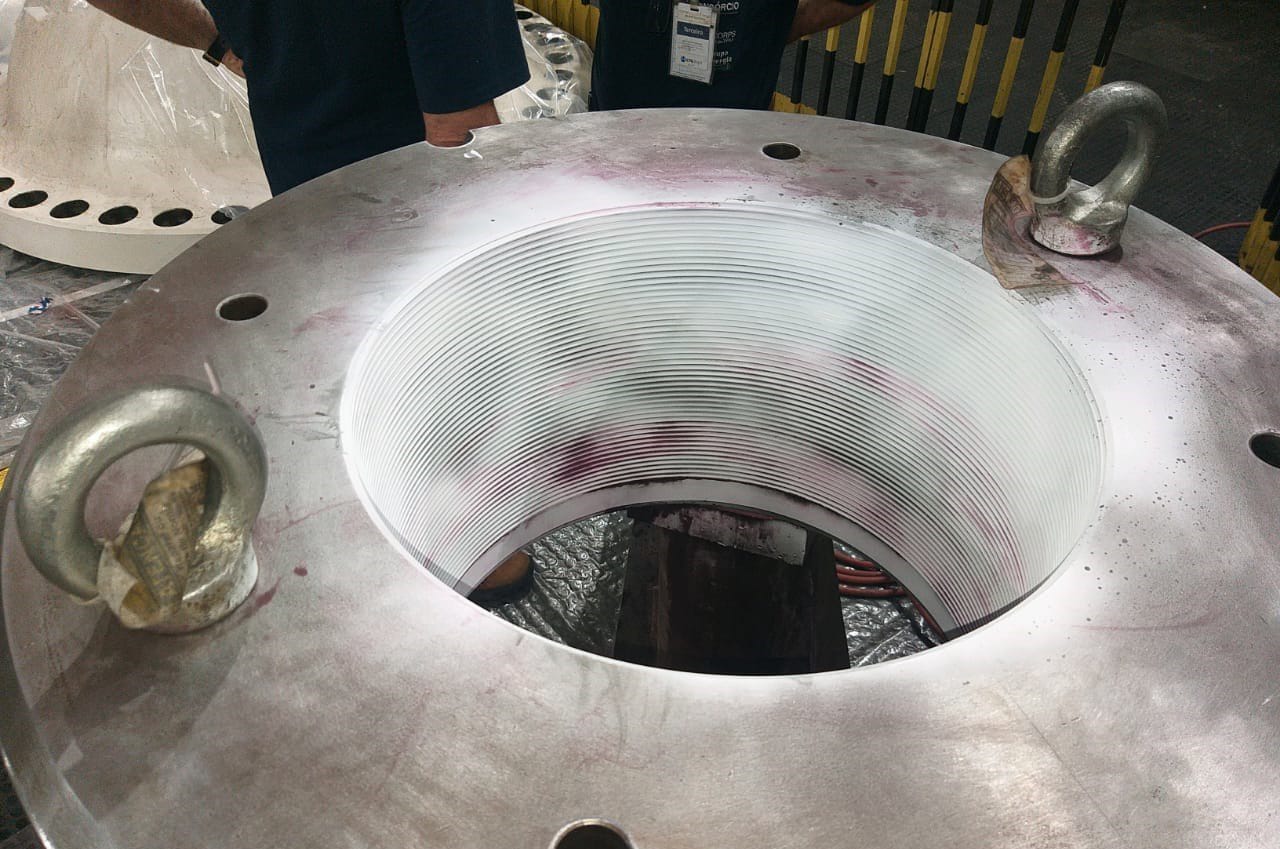
  • Drying and developing : After the part has dried, apply Metal-Chek D 70 or D 702 developer to highlight the flaws. Inspect the surface after about 20 minutes and look for the red markings contrasting with the white background.

Yes, you’ll have less rework and much more efficiency, all because the Metal-Chek VP-30 is an essential tool for anyone looking to detect flaws quickly, reliably, and efficiently . With it, you avoid errors, reduce rework costs, and guarantee high-quality products, minimizing risks for your production and your customers.

Don’t let hidden flaws compromise your production. Invest in the best detection technology and optimize the inspection process with Metal-Chek VP-30 . For further information, contact our technical consultants .

The Importance of Non-Destructive Testing in the Monitoring and Maintenance of Bridges and Viaducts

Transportation infrastructure in Brazil is fundamental to the country’s economy and the safety of its population. Among the most essential infrastructures are bridges and viaducts, structures that, in addition to allowing the circulation of vehicles and pedestrians, play a vital role in connectivity between regions and in supporting commercial and logistical activities. However, these structures are constantly subject to factors that can compromise their integrity, such as weathering, heavy traffic, heavy loads, temperature variations, and environmental damage.

In this context, Non-Destructive Testing (END) stands out as an essential tool for monitoring the structural health of these infrastructures. It allows for the detection of flaws invisible to the naked eye, without causing damage or interruptions to the structure’s operations. As a leader in the Non-Destructive Testing sector in Brazil, Metal-Chek has made a decisive contribution to infrastructure safety, applying the best performance in its products to ensure that structures remain safe and functional for longer.

What are Non-Destructive Tests (END)?

Non-destructive testing (END) is a technique for inspecting and analyzing materials, components, and structures without causing any damage to them . The goal of END is to assess the integrity and quality of a part or structure without compromising its use or functionality.

They are essential in various industries, including civil construction, automotive, aerospace, energy, petrochemical, among others, because they enable the early detection of faults without the need for disassembly or destruction of parts.

Among the most commonly used END methods for infrastructure monitoring, the following stand out:

  1. Ultrasound: This technique uses high-frequency sound waves to detect internal flaws, such as cracks, discontinuities, and corrosion zones in metallic and concrete materials. In bridges and viaducts, ultrasound can be used to examine steel or concrete beams and pillars, assessing their integrity without the need for disassembly or drilling.
  2. Radiography: Uses X-ray or gamma radiation to obtain internal images of materials, allowing the detection of hidden flaws such as cracks, porosity, or inclusions in metallic components. This method is widely used in inspections of welds and metallic structures, being ideal for evaluating the strength and reliability of bridge joints and articulations.
  3. Eddy Current Testing: This method is based on the principle of electromagnetic induction. Eddy currents are generated in conductive materials, and their alteration can indicate the presence of surface or subsurface defects, such as cracks or corrosion. This method is effective for metallic materials and is widely used for monitoring critical areas in viaducts and bridges.
  4. Magnetic particlesMagnetic particles are applied to the surface of ferromagnetic materials, and defects such as cracks or discontinuities cause disturbances in the magnetic field, which become visible through these particles. This is an effective method for inspecting metallic components subjected to stress and fatigue.
  5. Thermography: Thermography is a monitoring technique based on detecting temperature variations on the surface of structures. This variation can indicate problems such as thermal insulation failures, water infiltration, or areas of internal corrosion. Used in conjunction with infrared cameras, this technology is especially useful for monitoring the surface of bridges and viaducts without the need for direct access to the internal parts.

These techniques not only help detect faults early, but also prevent the need for major repairs or replacements, resulting in savings of time and resources.

The Importance of END in Monitoring Bridges and Viaducts

Bridges and viaducts face a number of challenges that affect their integrity over time. Among the main factors that contribute to the deterioration of these structures are:

  • Corrosion : The passage of time and climatic variations, especially in urban and coastal environments, can accelerate the corrosion process in metal and concrete structures. Internal corrosion, for example, may be invisible until the structure becomes critically compromised.
  • Heavy Loads and Vibration : Heavy vehicle traffic, especially in areas with high truck and large vehicle traffic, can generate stress and fatigue in structural materials. The impact of these loads can result in cracks or failures in welds and joints, which are not easily detected without the use of END (Non-Destructive Testing).
  • Environmental Factors : Constant exposure to rain, strong winds, temperature changes, and pollution can also affect the longevity of structures, creating ideal conditions for the appearance of cracks, fissures, and deterioration of concrete or metal.

Metal-Chek and its Contribution to the Security of Brazilian Infrastructure

Metal-Chek do Brasil is recognized for its expertise in Non-Destructive Testing, offering high-precision solutions for companies and public agencies that require constant monitoring of the integrity of their infrastructure. With highly qualified and certified products, Metal-Chek has stood out in the market for over 40 years, ensuring that bridges, viaducts, and other critical structures throughout Brazil can be monitored efficiently and effectively.

Our commitment is to quality and safety. Through our services, we offer detailed inspections that detect everything from micro-cracks to deeper problems, allowing for corrective actions before irreversible damage occurs. We act with speed and precision, minimizing interruptions and costs, while ensuring that infrastructures continue to function with maximum safety. Furthermore, at Metal-Chek, innovation is one of the pillars of our work. We are always at the forefront of new technological trends.

Translate
