Technology in Focus: Advances in Non-Destructive Testing
Technological evolution has significantly boosted industry, bringing innovations that make processes more efficient and safe. In the field of Non-Destructive Testing (END), the incorporation of new tools, such as drones and ROVs (Remotely Operated Vehicles) , has revolutionized industrial inspections, allowing for greater precision, speed, and safety in detecting structural flaws.
The Role of Technology in Non-Destructive Testing
Non-destructive testing is fundamental to ensuring the integrity of equipment and structures without compromising their functionality. The use of advanced sensors, analysis algorithms, and automation has allowed these techniques to evolve, making them more precise and reliable.
Drones in Industrial Inspection
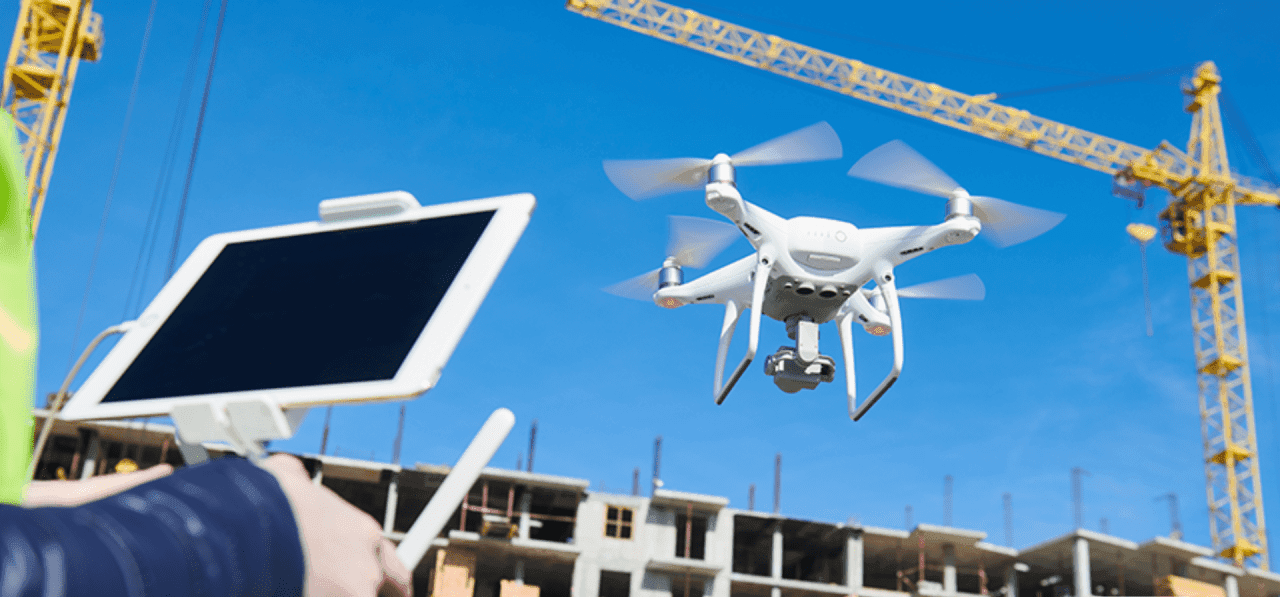
Drones have become an indispensable tool in Non-Destructive Testing, especially in hard-to-reach environments. Equipped with high-resolution cameras, infrared sensors, and ultrasound systems, these devices allow for detailed visual inspections of structures such as transmission towers, wind turbines, and oil pipelines. Furthermore, their ability to capture data in real time reduces the need for human intervention in hazardous locations, increasing operational safety.
Benefits of drones in inspection:
- Access to hazardous locations without human exposure.
- Capturing images and data with high precision.
- Reduction of operational costs and inspection time.
- Continuous monitoring and predictive analytics.
ROVs: Underwater and Structural Inspection
Okay, but do you know what ROV means?
ROV stands for Remotely Operated Vehicle. ROVs are submersible vehicles that can be operated from a ship or by a ground-based controller.
ROVs are remotely operated vehicles that play a crucial role in inspecting submerged structures such as pipelines, oil platforms, and hydroelectric plants. Equipped with high-definition cameras, sonar, and ultrasound sensors, these devices allow for the detection of corrosion, cracks, and other structural damage without the need for divers, reducing risks and costs.
Advantages of ROVs in inspection:
- Ability to operate at extreme depths.
- Reducing risks for workers.
- Real-time remote monitoring.
- Precision in underwater data collection.
Challenges in Implementing New Technologies
Despite numerous advantages, the implementation of drones, ROVs, and artificial intelligence in Non-Destructive Testing faces significant challenges. Some of the main obstacles include:
- High initial cost: The investment in advanced equipment and specialized software can be high.
- Professional training: The adoption of these technologies requires technical qualifications for operation and data interpretation.
- Adverse environments: Some inspections take place in extreme conditions, such as very high or low temperatures, which can impact the performance of the devices.
- Technological interference: In certain industrial areas, communication signals may be affected, making remote control of equipment difficult.
- Regulatory standards: Adapting to legal requirements and international standards can be a challenge for the implementation of new technologies.
The Future of Industrial Inspection
With the constant evolution of technology, the trend is for Non-Destructive Testing to become increasingly automated, efficient, and safe. The combination of drones, ROVs, and Artificial Intelligence is redefining the standards of industrial inspection, ensuring greater precision in fault detection and reducing operational costs.
Metal-Chek closely follows these innovations, offering solutions that meet the most stringent industry demands. Investing in technology is fundamental to ensuring the safety, efficiency, and reliability of industrial processes, consolidating a more innovative and sustainable future for Non-Destructive Testing.
