
Archives June 2025

Non-Destructive Testing of Critical Components: How to Ensure Traceability and Reliability

In highly regulated sectors such as aeronautics, nuclear, rail, oil and gas , operational safety depends on excellence in the inspection of highly critical components . In these contexts, Non-Destructive Testing (END) is indispensable for preventing structural and functional failures that could compromise the integrity of the system.

However, the effectiveness of END goes beyond the detection of discontinuities: it depends directly on the traceability of the process and the reliability of the results obtained . Metal-Chek, with decades of expertise in END solutions, reinforces the importance of the rigorous application of national and international technical standards , ensuring the quality and repeatability of the tests.

Traceability: The Documentary Basis of Reliability

Traceability in END (Non-Destructive Testing) begins with the precise identification of the inspected component, which must have a unique registration number. This identifier must be linked to a robust set of information, including:

  • Date and location of the rehearsal;
  • Name and certification of the inspector (according to ISO 9712);
  • Technical procedure applied;
  • Equipment used (with traceable calibration);
  • Environmental conditions;
  • Results and images documented.

This data is incorporated into the technical report and acceptance form, allowing for a complete history of the part, a mandatory practice in accordance with the requirements of ISO 9001 , ASME BPVC , API , and NADCAP .

Reliability: Guaranteed Technical Reproducibility

The reliability of Non-Destructive Testing is related to the reproducibility and repeatability of the results. If a component is inspected again under the same conditions, the data must be consistent, within acceptable technical margins.

This is only possible when:

  • The procedures follow validated operational instructions ;
  • The inspectors are qualified and receive ongoing training ;
  • The inspection environment is controlled ;
  • There is cross-checking by independent inspectors;
  • Technologies for automatic data recording and integrated digital documentation are used .

And why trust Metal-Chek?

Metal-Chek is a national leader in products and solutions for Non-Destructive Testing, with in-depth knowledge of current END standards and active participation in the sector’s technical evolution. Our commitment to reliability, traceability, and regulatory compliance strengthens the confidence of clients operating in critical and highly demanding markets.

Ensuring traceability and reliability in Non-Destructive Testing is not just a regulatory requirement—it’s a practice that protects lives, assets, and reputations. By applying END in a standardized way, with complete documentation and technical rigor, your company ensures operational safety and international quality recognition.
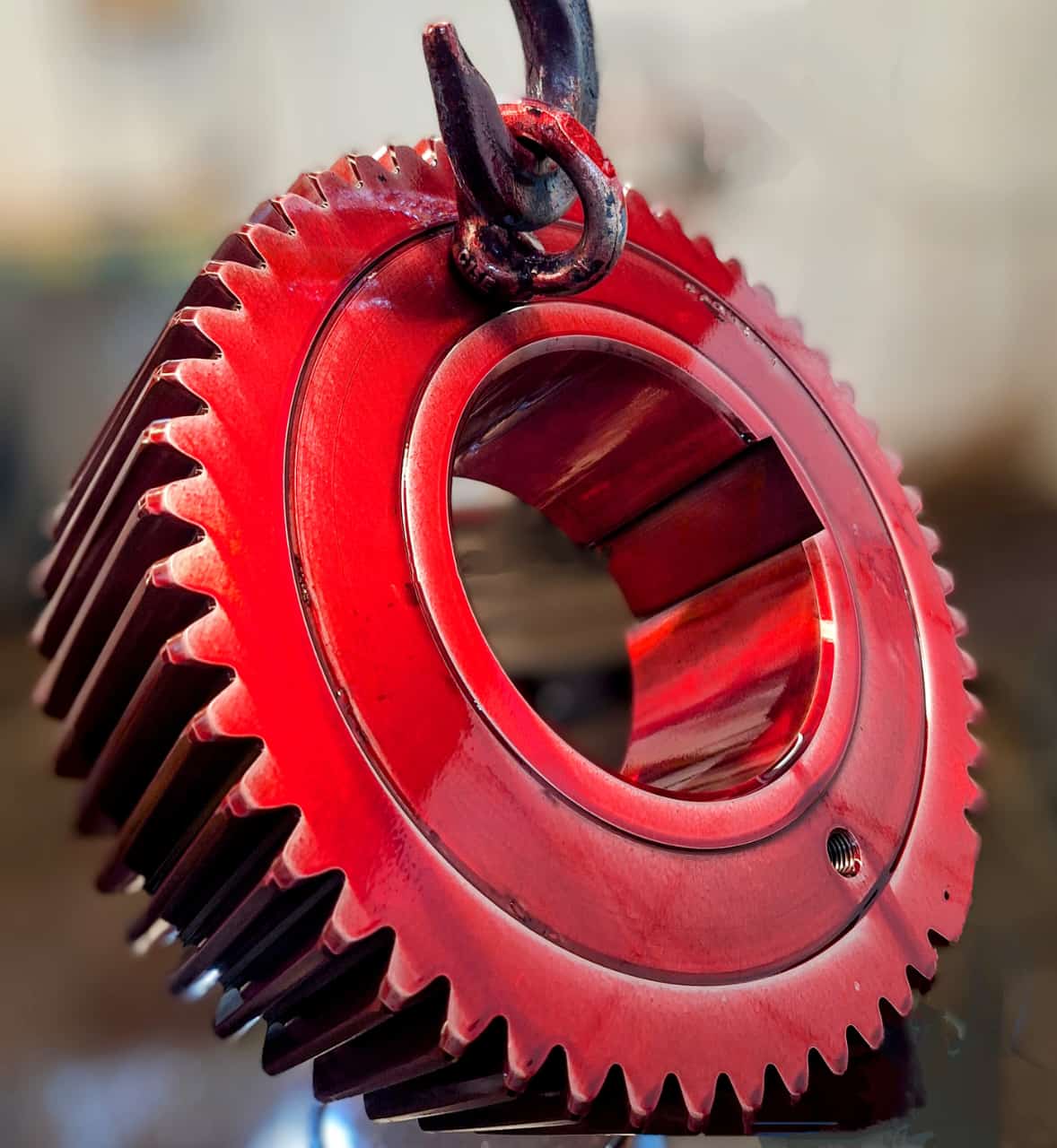
Interfering Factors in Penetrant Testing: What Can Affect the Results and How to Avoid Them?

The Liquid Penetrant (LP) method is based on the capillarity and retention of dye substances in surface discontinuities. Its sensitivity depends on a number of factors which, if neglected, compromise the reliability of the test. Although simple and effective, its sensitivity can be compromised by several factors. This article explores the main interfering factors that affect the results and presents practical recommendations, based on ASTM E1417 , ISO 3452-1 and ABNT NBR NM 324 standards.

1. Main Interfering Factors in Penetrant Testing

Surface Contaminants

  • These include : oils, greases, paints, oxidation, and various residues.
  • Impact: They prevent liquid penetration and mask defects.
  • How to avoid this: perform cleaning with compatible degreasers ( removers ) and visual inspection before applying the penetrant.

Inadequate Temperature

  • Recommended temperature range: between 10°C and 50°C (according to ASTM E1417).
  • Low temperatures increase viscosity, reducing penetration.
  • High temperatures cause premature evaporation, impairing the effectiveness of the test.
  • Solution: control the temperature of the part and the environment before and during the test.

Product unsuitable for the type of surface.

  • Example of a common mistake: using highly sensitive fluorescent penetrants on rough surfaces, resulting in excessive background.
  • Recommendation: select the type and sensitivity of the penetrant according to the texture and material of the part.

Incorrect Penetration Time

  • Insufficient time: prevents the liquid from reaching the discontinuity.
  • Excessive time: can cause smudging, increase visual noise, and make interpretation difficult.
  • How to adjust: strictly follow the time recommended by the manufacturer and the technical standards.

Inadequate Penetrant Removal

  • Problems caused: Inadequate cleaning: residual penetrant may mask defects. Excessive cleaning: may remove the penetrant from the discontinuity.
  • Solution : Apply a removal technique according to the type of penetrant (water-washable, post-emulsifiable, or solvent-soluble).

Incorrect Application of Developer

  • Common mistakes: Irregular or excessive application. Development time outside of standards.
  • Good practices: respect the type of developer (dry, wet or non-aqueous) and the minimum development times, according to ASTM E1417.

2. Recommended Good Practices

  • Use written and validated procedures (PVI or IT), in accordance with ISO 3452-1.
  • Check the chemical compatibility between the materials of the part and the products used.
  • Use calibrated UV-A light sources, following the ASTM E3022 standard.
  • Perform the inspection in a controlled environment, preferably in suitable test booths, in accordance with ISO 3059.

Strict control of factors that interfere with the Penetrant Testing method is essential to guarantee reliable, traceable, and technically valid results. The correct selection of products, compliance with standards, and conducting the inspection under appropriate lighting and temperature conditions are indispensable requirements to ensure the effectiveness of the method and the integrity of the inspected structures.

Translate
