Archives December 2024

SuperMagna OMC 10 Magnetic Particle Vehicle: The Perfect Solution for Non-Destructive Testing

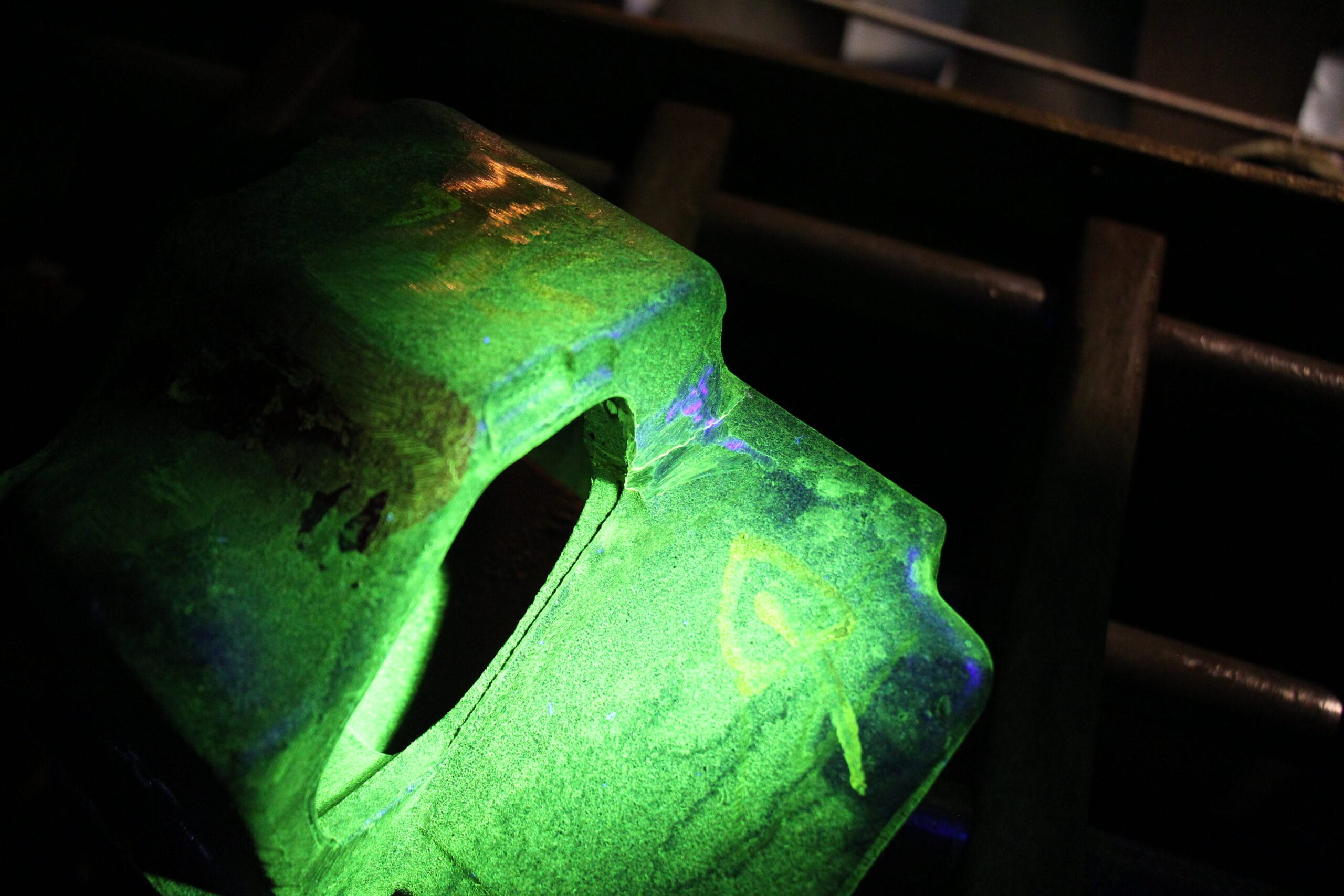
The OMC 10 is a high-quality magnetic particle vehicle developed for non-destructive testing (END) applications, and stands out for its efficiency and superior performance in the market. Ideal for industries that conduct rigorous testing, the OMC 10 guarantees reliable results and is an indispensable choice for those seeking excellence.

Article content

Composition and Characteristics

OMC 10 is a refined solvent derived from light fractions of petroleum distillates, with a high degree of purity, belonging to the category of special solvents. Its formula is a mixture of normal-chain paraffinic hydrocarbons, with very high purity and chemical stability. This ensures not only effectiveness in the testing process, but also safety in its handling, since the product is not aggressive to the environment.

OMC 10 is colorless, with a Saybolt color of +30, and has no odor when cold. Furthermore, it is free of background fluorescence and has a water content of less than 50 ppm, meeting the most stringent quality standards, such as those required by the FDA (Food and Drug Administration) in specifications 21 CFR 172.878 and 178.3620 (A) for direct and indirect contact with food, and by the USP (United States Pharmacopeia).

Compliance with Quality Standards

OMC 10 meets a series of standards and specifications required to guarantee its purity and quality. The product conforms to the following standards:

  • FDA: Meets the purity and safety requirements for products that come into contact with food and pharmaceutical substances.
  • USP: Complies with the quality standards required by the United States Pharmacopeia, including parameters for neutrality and sulfur compounds.
  • DAB-8: Approved in the German Pharmacopoeia’s luminosity (extinction) test, guaranteeing superior quality.

Advantages and Applications

In addition to its exceptional purity, OMC 10 is highly effective for magnetic particle baths, ensuring that the non-destructive testing process is carried out with precision. The product is widely used in tests that require high quality and safety, such as in the automotive, aeronautical, and materials industries.

Its chemical stability and high purity properties make it a reliable choice for companies that require solvents that meet the highest standards. Furthermore, its environmentally friendly composition and the absence of polynuclear compounds make it an environmentally friendly option.

Precautions and Safety

Although OMC 10 is a high-purity, high-quality product, its handling requires specific care. Because it is composed of low molecular weight hydrocarbons, the product can exhibit high dermal permeability, potentially causing skin irritation. Therefore, the use of Personal Protective Equipment (PPE) is essential, such as:

  • PVC gloves and aprons
  • Protective eyewear
  • Half-face mask against organic vapors

These measures ensure operator safety and integrity during the solvent application process.

The OMC 10 stands out in the market as a high-quality magnetic particle vehicle, with characteristics that guarantee superior performance in non-destructive testing. Its compliance with international safety and quality standards, combined with its high-purity composition, makes it an indispensable choice for industries seeking excellence and reliability. With safety, performance, and environmental responsibility, the OMC 10 is the ideal solution for the most demanding tests. Contact our technical consultants and get a quote.
Standards and Regulations for Wastewater Disposal in Particle Baths

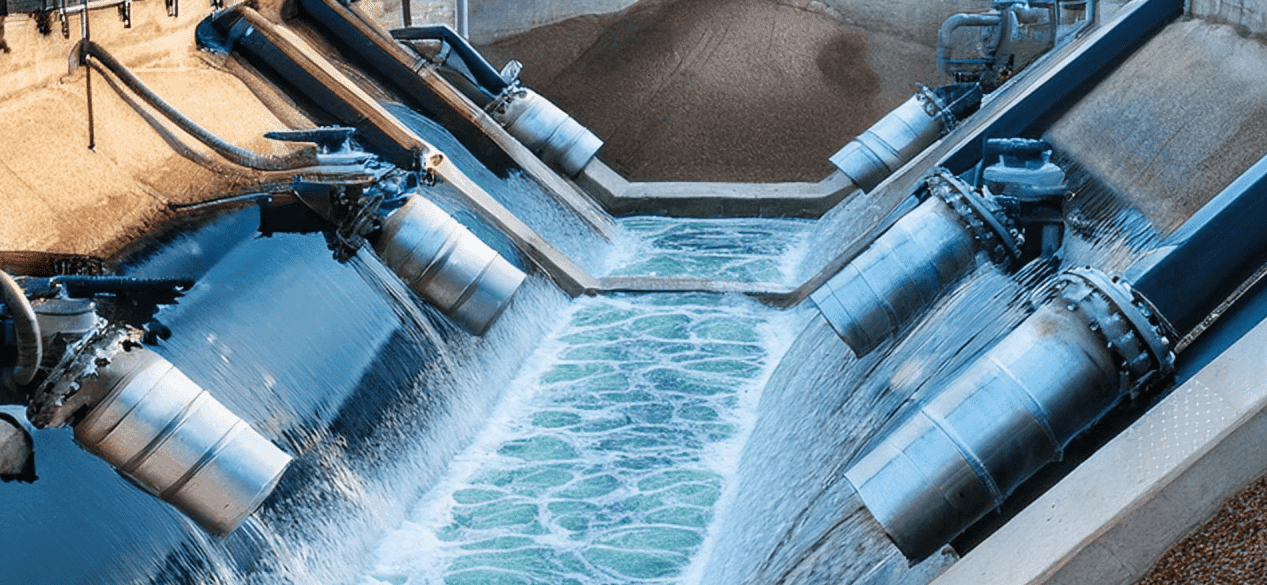
Efficient environmental management is a growing concern in various industrial sectors, and the proper disposal of generated waste is fundamental for preserving the environment and complying with current legislation. When it comes to processes that use particle baths, such as in metal treatment industries, the water used must be disposed of in accordance with specific regulations and standards to avoid negative environmental impacts.

Applicable legislation and regulations

In Brazil, legislation related to the disposal of wastewater and solid waste is quite strict, aiming to minimize environmental impacts and ensure public health safety. Specifically in São Paulo, Decree 8468 of September 8, 1976, and Law 997, regulated by CETESB, are the main instruments guiding the proper disposal of these wastes.

Decree 8468/76 and Law 997

Decree 8468/76 establishes the rules for pollution control and waste management in the state of São Paulo, highlighting the obligations of industrial companies regarding the treatment and final disposal of effluents. The Decree is complemented by CETESB Law 997, which, in article 18 and its sub-articles up to article 19-A, determines how wastewater and solid waste from industrial processes, including particulate baths, should be treated.

CONAMA Resolution No. 20/86

In addition to state regulations, CONAMA Resolution No. 20, of June 18, 1986, is extremely important. Article 21 of this resolution establishes general guidelines for the treatment and disposal of industrial wastewater, focusing on the prevention of pollution of surface and groundwater. Together with other legislation, the CONAMA Resolution provides guidance on the need for efficient treatment processes and on how to obtain the necessary environmental permits for proper disposal.

NBR 10004 and waste classification

Solid waste generated in the particle bath process must be characterized according to NBR 10004, which classifies waste into different categories according to its hazardousness. For magnetic particle waste, the classification is class II, i.e., non-inert waste. This classification is relevant because it determines the method of storage, transport, and final disposal of the waste, according to its potential impact on the environment.

Procedures for the treatment and disposal of waste.

The routine for treating and disposing of effluents in particle baths must follow a well-established procedure, ensuring that all legal requirements are met. Below, we detail the suggested steps for the proper treatment of the residual solution.

Treatment procedure steps:

  1. Solution preparation : For 1000 ml of residual solution from the particle bath, the following reagents should be added: 50 ml of 5% lime solution, 50 ml of 10% aluminum sulfate solution, 15 ml of 0.5% polyelectrolyte solution.
  2. Reaction time : After adding the reagents, it is necessary to wait 30 minutes for flocculation and sedimentation of the contaminant particles to occur.
  3. Filtration and drying : The solution must then be passed through a filter press or drying bed to separate the solids from the wastewater. This process aims to concentrate the solid waste, which will later be disposed of in accordance with regulations.

Disposal and required documentation

To dispose of treated water and solid waste, the company must be aware of the need to obtain an “acceptance letter .” This document is issued by a specialized company, such as a reprocessing plant, landfill, or incinerator that has authorization from the state environmental agency to receive the waste. With the acceptance letter in hand, the company can then request the CADRI (Registration of Waste of Interest), which is an authorization from the environmental agency to dispose of the waste at the authorized location.

This procedure ensures that waste will be treated and disposed of properly, avoiding risks to public health and the environment, and complying with legal requirements. Failure to comply with these regulations may result in severe penalties, including fines and even the closure of the company.

Proper management and adequate disposal of waste generated in particle baths is a critical issue for environmental sustainability. Following current regulations and guidelines is not only a legal obligation, but also a social and environmental responsibility of companies. With proper treatment and disposal of waste, it is possible to minimize environmental impacts and ensure compliance with legislation, as well as promote a safer and healthier environment for all.

Translate
