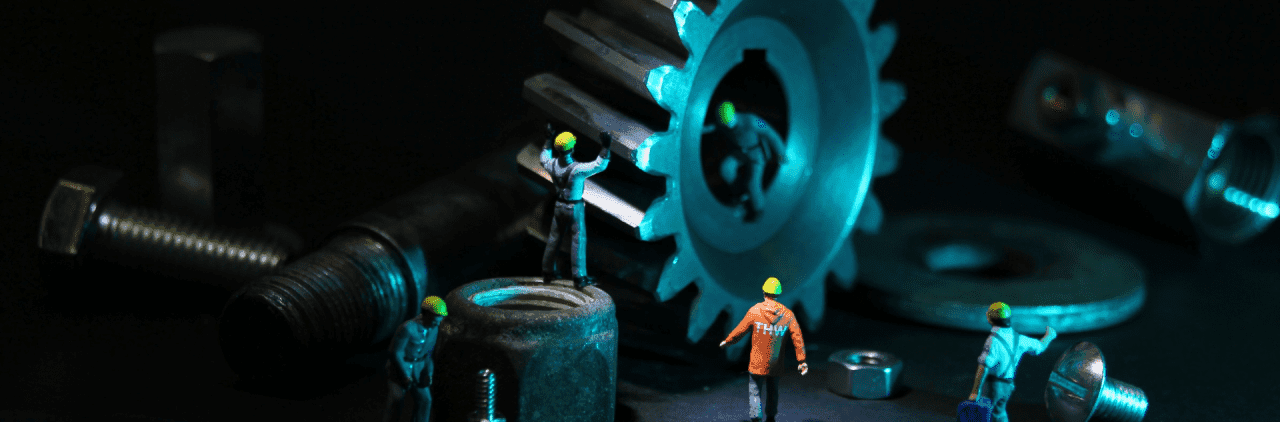
Periodic Equipment Maintenance: Understand Its Importance
Regular maintenance is a crucial element in asset management and the efficient operation of any organization. Whether in industrial, commercial, or service environments, proper equipment maintenance ensures not only the continuity of operations but also the safety of employees and the quality of products and services offered. In this article, we will explore the importance of regular maintenance, its advantages, and the best practices to be adopted.
Before we begin our conversation, do you know what Periodic Maintenance is?
Periodic maintenance refers to a set of scheduled actions for the inspection, repair, and replacement of parts in equipment and machinery, performed at regular intervals. These actions are designed to prevent failures, extend the lifespan of assets, and ensure that equipment operates at peak efficiency.
Regular intervals for periodic equipment maintenance vary depending on the type of equipment, the operating environment, and the manufacturer’s recommendations.

What types of maintenance are there?
1. Corrective Maintenance
Performed after a failure occurs. The goal is to restore normal equipment operation. Requires planning to minimize downtime.
2. Preventive Maintenance
Scheduled according to a timeline to prevent failures. Involves regular inspections, cleaning, and parts replacements. Helps identify problems before they cause downtime.
3. Predictive Maintenance
It uses monitoring techniques to predict failures before they occur, based on data and analysis. Examples include vibration analysis, thermography, and condition monitoring.
Benefits of Periodic Maintenance
- Increased Security
One of the main objectives of periodic maintenance is to ensure the safety of operators and other employees. Poorly maintained equipment can malfunction, resulting in serious accidents and endangering the physical integrity of workers. Regular maintenance helps identify and correct problems before they become dangerous.
- Cost Reduction
Although periodic maintenance involves an initial investment, in the long run it is more economical. Preventive maintenance reduces the likelihood of catastrophic failures, which can result in high repair costs or the need to replace equipment. Furthermore, it avoids operational interruptions, which can lead to significant financial losses.
- Improving Operational Efficiency
Well-maintained equipment operates more efficiently, which translates into greater productivity. Regular maintenance ensures that equipment is always ready to operate in optimal conditions, preventing unexpected downtime and improving the overall performance of the company.
- Extending the Useful Life of Equipment
Each asset has a specific lifespan, but proper maintenance can extend it considerably. By performing regular maintenance, companies can maximize the return on investment made in equipment, postponing the need to acquire new assets.
- Compliance with Standards and Regulations
In many sectors, periodic maintenance is a legal requirement. Safety standards and industry regulations often require companies to keep their equipment in safe operating condition. Non-compliance can result in penalties and sanctions.
Best Practices for Periodic Maintenance
Best practices for periodic maintenance involve a systematic approach aimed at ensuring the efficiency and safety of equipment; that is, they are like an organized set of steps and methods that guarantee that all maintenance activities are planned, executed, and evaluated effectively. This approach involves several fundamental steps:
1. Development of a Maintenance Plan
A well-structured maintenance plan should include the frequency of maintenance, the procedures to be followed, and the necessary documentation. This plan should be reviewed regularly to adapt to changes in operations or equipment conditions.

2. Staff Training
Employees responsible for maintenance must be properly trained. This ensures that maintenance is carried out efficiently and safely, reducing the risk of errors that could lead to failures or accidents.
3. Use of Technology
Maintenance management tools, such as computer-aided maintenance software (CMMS), can help schedule maintenance, monitor equipment performance, and record activities performed. Technology can optimize the maintenance process and provide valuable data for decision-making.
4. Continuous Monitoring
Implementing monitoring techniques, such as predictive maintenance, allows companies to identify problems before they become critical. This involves using sensors and data analysis to predict failures and schedule maintenance at the right time.
Regular maintenance is an essential investment for any organization that relies on equipment and machinery. Its benefits go far beyond simply preventing failures; they include safety, cost reduction, and increased operational efficiency. By adopting effective maintenance practices, companies ensure business continuity, promote a safe work environment, and maximize the return on their asset investments. Thus, regular maintenance becomes not just a responsibility, but a fundamental strategy for the long-term success of any business.
